The phrase “still automatic” can sound simple, but its meaning changes depending on the industry, the speaker, and the object being described. In everyday language, it often means that a system continues to operate automatically. In technical settings, however, it may refer to automatic machinery, automated distillation equipment, camera modes, vehicles, appliances, manufacturing systems, or digital processes that remain self operating without direct human control.
TLDR: Still automatic usually means that something remains automatic, continues functioning by itself, or operates through automated controls. In some industries, it can also refer to an automatic still used in distillation or processing. The phrase depends heavily on context, so its exact meaning is best understood by looking at the equipment, process, or field being discussed.
What “Still Automatic” Generally Means
In its broadest sense, still automatic describes a machine, system, or process that has not lost its automatic function. If a device was designed to run without constant human input and it continues to do so, a person might say it is still automatic. This usage is common in casual speech, maintenance conversations, product descriptions, and technical support discussions.
For example, a factory technician may say that a packaging line is “still automatic” after a repair, meaning the system continues to feed, seal, label, and move products without manual operation. A driver may say a car is “still automatic” to clarify that the transmission shifts gears by itself. A homeowner may say a thermostat is “still automatic” because it continues to regulate temperature based on programmed settings.
The key idea is self operation. Whether the subject is a vehicle, machine, camera, or software workflow, the phrase suggests that the system performs at least some tasks without direct, continuous human control.
Meaning in Manufacturing and Industrial Automation
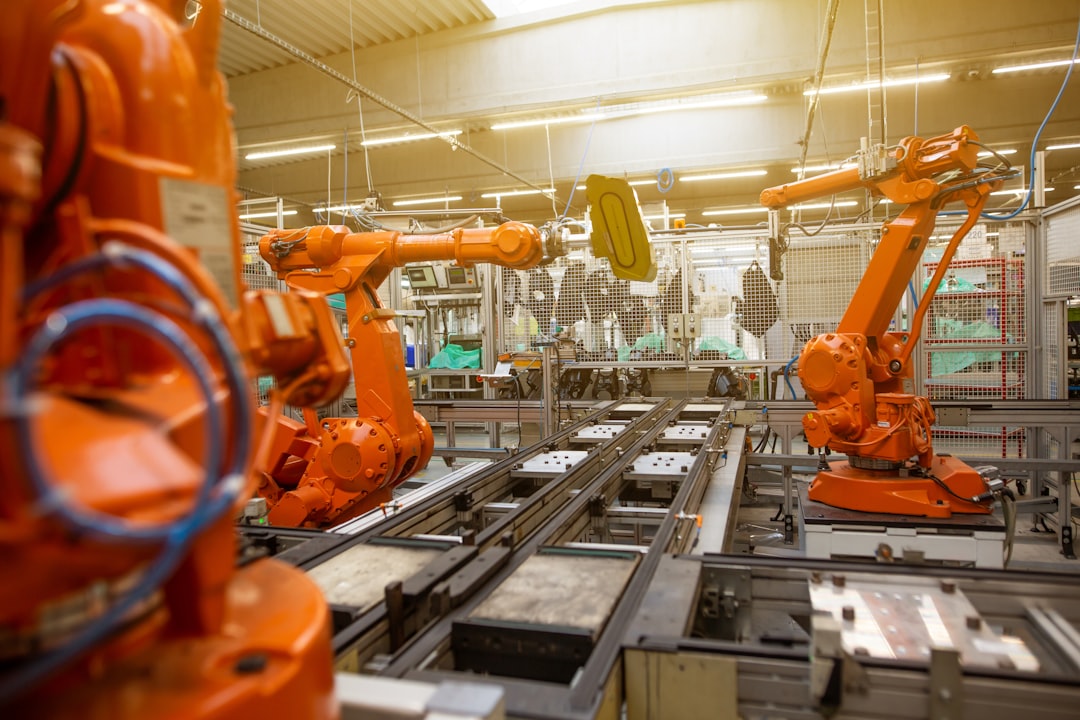
In manufacturing, still automatic often refers to equipment that remains controlled by sensors, logic controllers, robotics, or programmed sequences. Many factories use machines that switch between manual mode and automatic mode. When a machine is “still automatic,” it generally means it is still running in automatic mode rather than requiring an operator to control every step.
Industrial examples include:
- Conveyor systems that move materials according to sensor signals.
- Packaging machines that fill, seal, count, and label products automatically.
- Robotic arms that repeat programmed welding, picking, or assembly motions.
- Programmable logic controller systems that coordinate motors, valves, alarms, and safety devices.
In this context, the phrase may be used during troubleshooting. If a line slows down, alarms, or stops briefly, staff may ask whether it is “still automatic” or whether it has been placed in manual control. This distinction matters because automatic operation usually involves interlocks, safety checks, and programmed timing. Manual operation may bypass some normal sequences and require more operator attention.
Meaning in Distillation and Processing
Another important meaning comes from the word still as a noun. A still is equipment used to distill liquids by heating them, collecting vapor, and condensing that vapor into a purified or concentrated form. In this setting, an automatic still may be a distillation unit with automated temperature control, pressure monitoring, feed regulation, cooling management, and shutdown features.
Industries that may use automatic stills include:
- Spirits production, where controlled distillation affects quality and consistency.
- Essential oil extraction, where plant materials are processed through steam or vapor distillation.
- Chemical manufacturing, where solvents and compounds may be separated or recovered.
- Water purification, where distillation can remove impurities from water.
In this case, “still automatic” may not mean “it remains automatic.” Instead, it may describe the type of still: an automatic still. Such systems are valued because they reduce operator error, maintain stable conditions, and improve repeatability. However, they still require supervision, cleaning, calibration, and safety oversight. Automatic does not mean unattended in every situation.
Meaning in Vehicles and Transportation
In the automotive industry, still automatic is often connected to transmissions. A vehicle with an automatic transmission shifts gears without the driver manually operating a clutch and gear lever. If someone says a car is “still automatic,” the person may be clarifying that the vehicle has not been converted to manual transmission, or that a newer model remains available with an automatic option.
This usage appears in conversations about used cars, repairs, racing modifications, and vehicle specifications. For example, a seller might state that a classic car is “still automatic,” meaning it retains its original automatic transmission. A mechanic might use the phrase after diagnosing a shifting issue, explaining that the transmission control system is still functioning automatically rather than being locked into a limp or manual override mode.
Modern transportation also uses automatic systems beyond transmissions. Trains, aircraft, ships, and commercial vehicles may include automatic braking, cruise control, navigation assistance, climate regulation, and stability controls. In these cases, the phrase may refer to a subsystem rather than the whole vehicle.
Meaning in Cameras, Photography, and Imaging
In photography, automatic commonly refers to camera settings controlled by the device rather than the photographer. A camera may automatically choose exposure, focus, white balance, shutter speed, aperture, or ISO sensitivity. If a camera is described as “still automatic,” it may mean that these features remain active even when other settings have changed.
For example, a photographer may switch from full auto mode to aperture priority mode, where aperture is chosen manually but exposure timing remains automatic. In this case, the camera is not fully manual; it is still automatic in certain ways. Smartphone cameras also rely heavily on automatic processing, including autofocus, brightness correction, face detection, stabilization, and image enhancement.
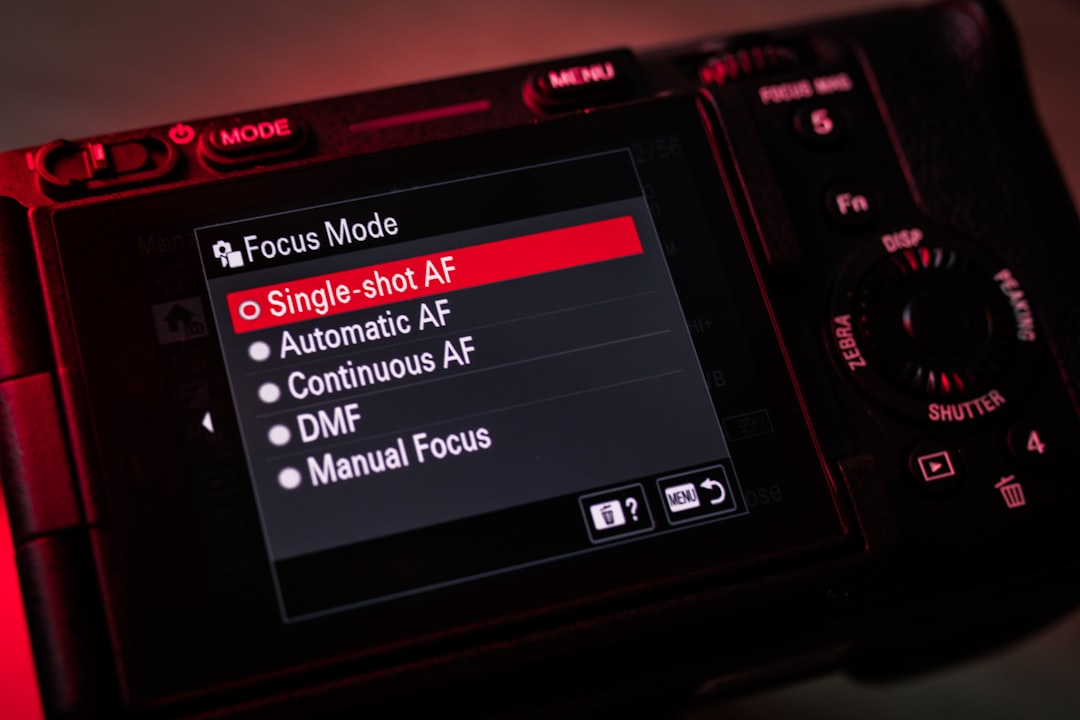
This meaning is especially relevant for beginners. Many people assume that leaving auto mode means every setting becomes manual. In reality, most imaging systems offer mixed modes. Some controls become manual while others remain automatic, allowing users to balance creative control with convenience.
Meaning in Appliances and Buildings
In homes and commercial buildings, the phrase may apply to appliances and building systems. A washing machine, dishwasher, thermostat, lighting system, irrigation controller, or garage door opener may be called still automatic if it continues to complete tasks based on timers, programs, sensors, or preset conditions.
Common examples include:
- Thermostats that adjust heating and cooling according to schedules.
- Automatic doors that open when motion is detected.
- Sprinkler systems that water landscapes at programmed times.
- Smart lighting that turns on or off based on occupancy or daylight.
- Washing machines that choose water levels or cycle timing based on load size.
In building management, automatic operation can improve comfort, energy efficiency, and safety. However, the phrase may also raise questions. If a system is “still automatic,” who controls the settings? Can users override it? Does it respond correctly to emergencies? These questions matter in offices, hospitals, hotels, schools, and industrial facilities.
Meaning in Software and Digital Workflows
In software, still automatic typically means a process continues to run without manual input. Examples include automatic backups, billing renewals, email responses, fraud detection, file syncing, report generation, and workflow triggers. A user may ask whether a function is “still automatic” after changing account settings, updating software, or migrating to a new platform.
Automation in software depends on rules. A system may be automatic only when conditions are met. For instance, an invoice may be sent automatically when an order is marked complete. A backup may run automatically every night if the device is connected and storage is available. If one condition fails, the process may stop or require intervention.
Because of this, “still automatic” can imply both convenience and risk. Automated systems save time, but they may also continue performing actions that users forget about. This is why notifications, logs, permissions, and review steps are important in digital automation.
Why Context Is Essential
The meaning of still automatic cannot be separated from context. The word still may function as an adverb meaning “continuing,” or as a noun meaning distillation equipment. The word automatic may refer to a mode, a machine type, a control system, or a product feature. Without knowing the industry, the phrase remains somewhat ambiguous.
There are three useful questions for interpreting it:
- What object or process is being discussed? A car, camera, machine, software tool, or distillation unit will point to different meanings.
- Is “still” describing continuation or equipment? If it means continuation, the phrase means the system remains automatic. If it means distillation equipment, it may refer to an automatic still.
- What level of automation is involved? Some systems are fully automatic, while others automate only selected steps.

Automatic Does Not Always Mean Fully Independent
A common misunderstanding is that automatic systems need no human involvement. In reality, most automatic systems require setup, monitoring, maintenance, and occasional correction. A vehicle with an automatic transmission still needs a driver. An automatic camera still benefits from a person choosing the subject and composition. An automatic factory line still needs technicians, safety procedures, and quality checks.
The phrase still automatic should therefore be understood as a description of function, not a promise of complete independence. It indicates that automation is active, available, or preserved, but it does not guarantee that the system is flawless, safe in all conditions, or free from oversight.
Business and Consumer Importance
For businesses, the phrase can affect purchasing, maintenance, training, and compliance. If a machine is still automatic after an upgrade, productivity may remain high and operator workload may stay low. If it is no longer automatic, staffing needs and procedures may change. In regulated industries, automatic controls may also be part of safety or quality documentation.
For consumers, the phrase affects expectations. A customer buying a vehicle, appliance, or camera wants to know what tasks the product handles by itself. A product that is “still automatic” may feel easier, faster, or more familiar. However, consumers should also understand which functions are automated and which require manual decisions.
Conclusion
Still automatic is a flexible phrase with meanings that shift across industries. It can mean that a system continues to operate automatically, that a product remains available in automatic form, or that a distillation still includes automated controls. From factory lines and vehicles to cameras, appliances, buildings, and software, the central theme is controlled operation with limited human input.
The safest interpretation comes from context. When the phrase appears in a technical conversation, product listing, repair note, or industry document, the surrounding details should be examined carefully. In most cases, still automatic signals convenience and continuity, but it does not remove the need for human understanding, supervision, and responsible use.
FAQ
What does “still automatic” mean in simple terms?
It usually means that something continues to operate automatically or remains in automatic mode. The exact meaning depends on the industry and object being discussed.
Can “still automatic” refer to distillation equipment?
Yes. In processing and distillation, a still is a piece of equipment. An automatic still may use automated controls for heating, cooling, flow, pressure, or shutdown functions.
Does automatic mean no human supervision is needed?
No. Automatic systems often reduce manual work, but they usually still require setup, monitoring, maintenance, and safety checks.
What does it mean if a car is still automatic?
It usually means the car has an automatic transmission or that its automatic shifting function remains active.
What does “still automatic” mean in photography?
It may mean that the camera still controls certain settings, such as focus, exposure, ISO, or white balance, even if the user has manually adjusted other settings.
Why is the phrase sometimes confusing?
It is confusing because still can mean “continuing” or can refer to distillation equipment. Also, automatic may describe a mode, feature, machine, or complete system.