
Launching a new business is exciting, but success rarely comes from enthusiasm alone. A well-prepared startup package gives a founder the structure, documentation, tools, and resources needed to move from idea to operation with confidence. Whether the venture is a local service provider, an online store, a consulting firm, or a product-based startup, the right checklist helps reduce risk and keeps early decisions organized.
TLDR: A successful business startup package should include legal formation documents, financial planning tools, branding assets, operational systems, marketing materials, and compliance essentials. It should also cover technology, insurance, staffing needs, customer service processes, and launch planning. By organizing these items before opening, a business improves its chances of launching smoothly and appearing professional from day one.
Why a Startup Package Matters
A startup package acts as a practical roadmap for turning a business concept into a functioning company. It prevents important tasks from being forgotten and helps the founder make decisions in a logical order. Instead of reacting to problems after launch, the business can prepare policies, systems, and materials ahead of time.
For many new companies, the early stage is filled with pressure. There are registrations to complete, vendors to contact, websites to build, customers to attract, and budgets to manage. A complete checklist creates clarity by grouping all startup essentials into categories. It also helps lenders, partners, employees, and investors see that the business is organized and serious.

1. Business Concept and Market Research
Every startup package should begin with a clearly defined business concept. The founder should be able to explain what the company offers, who it serves, and why customers would choose it over competitors. This section sets the foundation for branding, pricing, marketing, and operations.
Key items include:
- Business idea summary: A short description of the product or service.
- Target audience profile: Details about customer age, income, location, needs, and buying behavior.
- Competitor analysis: A review of similar companies, their pricing, strengths, and weaknesses.
- Unique value proposition: The reason customers should select this business.
- Market demand research: Evidence that customers are willing to pay for the offering.
This stage should not be rushed. A strong idea becomes more valuable when supported by real market data and a clear customer need.
2. Business Plan
A business plan is one of the most important documents in a startup package. It does not need to be overly complex, but it should explain how the company will operate and grow. A written plan helps the founder stay focused and provides a professional document for banks, investors, or strategic partners.
A complete business plan usually includes:
- Executive summary
- Company description
- Market analysis
- Products or services
- Marketing and sales strategy
- Operations plan
- Management structure
- Financial forecasts
The plan should also include realistic goals for the first 90 days, six months, and one year. These goals may cover revenue, customer acquisition, product development, hiring, or expansion.
3. Legal Structure and Registration
Before a business opens, it must be legally established. The appropriate structure depends on liability concerns, tax treatment, ownership, and growth plans. Common structures include sole proprietorship, partnership, limited liability company, and corporation.
Essential legal checklist items may include:
- Business name search and reservation
- Business registration documents
- Articles of organization or incorporation
- Operating agreement or partnership agreement
- Tax identification number
- Local business licenses
- Industry-specific permits
- Sales tax registration, if applicable
Legal requirements vary by location and industry, so a founder often benefits from consulting a qualified attorney or local business authority. Proper registration protects the business and helps avoid fines, delays, or disputes.
4. Financial Setup
Strong financial organization is essential from the beginning. A business that mixes personal and company finances may face accounting confusion, tax problems, and poor cash flow visibility. The startup package should include all financial tools and documents needed to track money accurately.
Financial essentials include:
- Startup budget: A breakdown of estimated launch expenses.
- Operating budget: Monthly costs such as rent, software, payroll, supplies, and utilities.
- Business bank account: A separate account for company income and expenses.
- Accounting system: Software or professional bookkeeping support.
- Pricing strategy: Clear prices based on costs, competitors, and profit goals.
- Cash flow forecast: Estimates of money coming in and going out.
- Funding plan: Savings, loans, grants, investors, or credit options.
A founder should also prepare a break-even analysis. This calculation shows how much revenue the business must generate to cover its costs. Knowing this number helps guide sales goals and spending decisions.
5. Branding and Identity Materials
A professional brand helps a new business appear trustworthy and memorable. Branding is more than a logo; it includes the visual style, tone, message, and customer experience. A consistent identity can make a startup look established even in its early days.
Branding checklist items include:
- Business name and tagline
- Logo files in multiple formats
- Color palette
- Typography guidelines
- Brand voice and messaging
- Business cards
- Email signature
- Letterhead or proposal template
- Product packaging or service brochures, if needed
Consistency is the goal. When the website, social media profiles, invoices, and printed materials look aligned, customers are more likely to trust the company.
6. Website and Digital Presence
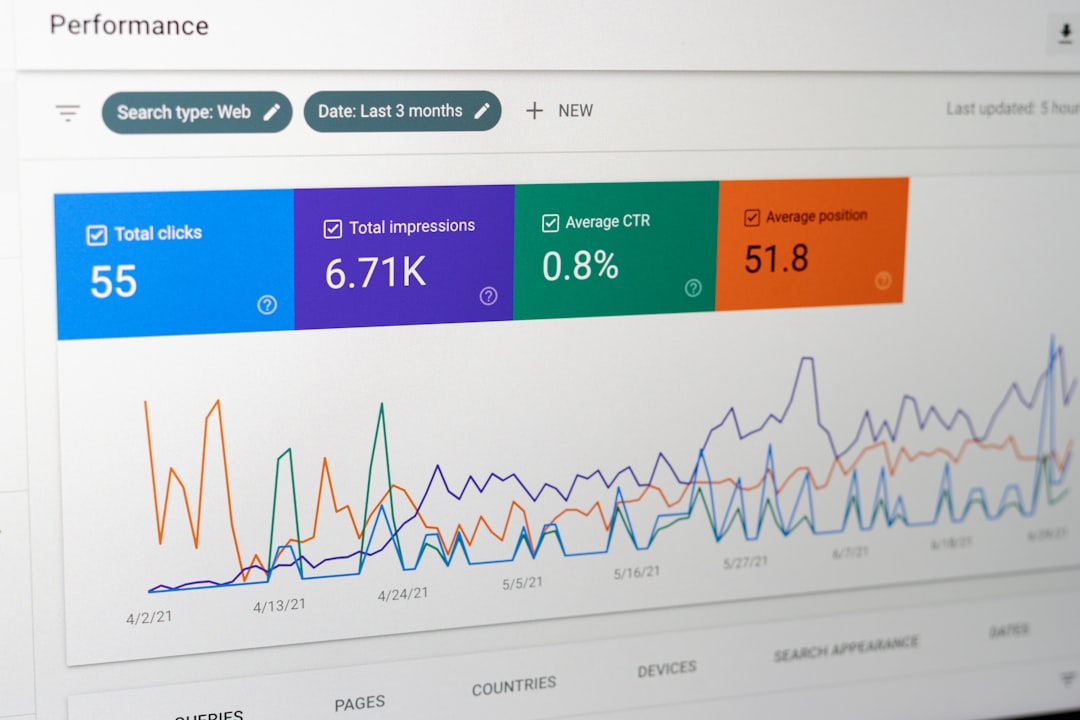
Most customers expect a business to have an online presence. Even local companies benefit from a professional website and searchable business profiles. The digital portion of the startup package should focus on visibility, credibility, and lead generation.
Digital assets should include:
- Domain name
- Website hosting
- Mobile-friendly website
- Professional email address
- Search engine optimization basics
- Online business listings
- Social media profiles
- Contact forms or booking tools
- Privacy policy and terms of use
The website should clearly explain what the business does, who it serves, how customers can buy or inquire, and why the company is credible. Testimonials, case studies, service descriptions, product images, and frequently asked questions can all improve trust.
7. Operations and Workflow Systems
A business must be able to deliver its product or service reliably. Operational systems help the team manage tasks, serve customers, control quality, and handle daily work. Even a solo founder needs simple processes to avoid disorganization.
Important operational items include:
- Standard operating procedures
- Supplier and vendor list
- Inventory management process
- Customer onboarding steps
- Order fulfillment process
- Appointment scheduling system
- Quality control checklist
- Return, refund, or cancellation policy
- Document storage system
Written procedures are especially useful when the business begins hiring. They reduce training time and help ensure customers receive the same quality experience every time.
8. Technology and Software
The right technology stack helps a startup save time and operate professionally. The selected tools should match the company’s size, budget, and needs. Too many tools can create unnecessary complexity, while too few can slow growth.
Common software needs include:
- Accounting and invoicing software
- Customer relationship management system
- Email and calendar platform
- Project management tool
- Payment processing system
- Video meeting software
- Cybersecurity tools
- Cloud storage and backup solution
- Point-of-sale system, if applicable
Security should be included from the start. Strong passwords, two-factor authentication, regular backups, and controlled access protect customer data and company information.
9. Insurance and Risk Management
Every business faces risk. Insurance and risk planning help protect the company from unexpected losses, customer claims, property damage, cyber incidents, or employee-related issues. Insurance needs depend on the business type, location, and industry.
Common insurance options include:
- General liability insurance
- Professional liability insurance
- Commercial property insurance
- Workers’ compensation insurance
- Cyber liability insurance
- Commercial auto insurance
- Product liability insurance
The startup package should also include basic risk policies, such as safety procedures, data handling rules, emergency contacts, and contract review processes.
10. Marketing and Launch Materials
A business launch requires more than simply opening the doors. The company needs a plan to attract attention, generate leads, and convert prospects into customers. Marketing materials should be prepared before launch so the business can begin promoting immediately.
Launch marketing essentials include:
- Marketing strategy
- Launch announcement
- Social media content calendar
- Email marketing list and welcome message
- Promotional offer or opening campaign
- Sales script or pitch outline
- Press release, if relevant
- Referral program
- Advertising budget
The marketing plan should identify the main channels the company will use. These may include search engines, social media, local networking, paid ads, email, partnerships, direct outreach, or events.
11. Sales and Customer Service Process
A startup must know how it will turn interest into revenue. The sales process should define how leads are captured, followed up, quoted, closed, and retained. A clear customer service process also helps protect the company’s reputation.
Sales and service checklist items include:
- Lead capture forms
- Sales pipeline stages
- Proposal or quote template
- Invoice template
- Customer welcome message
- Follow-up schedule
- Complaint resolution policy
- Customer feedback survey
- Loyalty or retention plan
Customer experience is often a startup’s strongest advantage. Fast responses, clear communication, and reliable delivery can help a new business compete with larger companies.
12. Human Resources and Team Preparation
If the business plans to hire employees or contractors, the startup package should include human resources documents. Even if hiring is months away, early preparation helps the company scale responsibly.
HR essentials may include:
- Role descriptions
- Contractor agreements
- Employment applications
- Interview questions
- Offer letter template
- Employee handbook
- Payroll system
- Training checklist
- Confidentiality agreements
The founder should also define company culture early. Values, communication standards, and performance expectations shape how the team works and how customers are treated.
13. Final Pre-Launch Review
Before the official launch, the business should complete a final review. This step confirms that legal, financial, marketing, operational, and customer-facing elements are ready. It also gives the founder a chance to test systems before real customers arrive.
Final launch checks include:
- Business registration confirmed
- Bank account active
- Website tested on desktop and mobile
- Payment systems working
- Email accounts active
- Social profiles updated
- Insurance policies active
- Marketing campaign scheduled
- Inventory or supplies ready
- Customer service process tested
A soft launch can be useful before a public launch. During a soft launch, the business serves a smaller audience, collects feedback, fixes issues, and improves the experience.
Conclusion
A complete business startup package gives a new company the structure it needs to launch with confidence. It brings together planning, legal setup, finances, branding, marketing, technology, operations, and customer service into one organized system. While every startup will have different needs, the core checklist remains similar: prepare properly, document important decisions, and create processes that support growth.
When a founder invests time in preparation, the business is better positioned to attract customers, manage money, avoid mistakes, and build credibility. A successful launch is not just about opening day; it is about creating a foundation that can support the company long after the first sale.
FAQ
What is a business startup package?
A business startup package is a collection of documents, tools, systems, and resources needed to legally form, organize, promote, and operate a new business.
What should be included in a startup checklist?
It should include market research, a business plan, legal registration, financial setup, branding, website assets, marketing materials, operational procedures, insurance, and customer service processes.
Does every startup need a business plan?
Most startups benefit from a business plan. It helps clarify goals, guide decisions, estimate costs, and present the company professionally to lenders or investors.
When should a business register legally?
A business should usually register before selling products or services, signing contracts, opening a business bank account, or collecting payments under the company name.
How much money should a startup prepare before launch?
The amount depends on the industry, business model, and operating costs. A founder should prepare a startup budget, monthly operating budget, and cash reserve whenever possible.
Why is branding important for a new business?
Branding helps customers recognize, remember, and trust the company. A consistent brand identity can make a startup appear more professional and credible.
What is the final step before launching?
The final step is a pre-launch review. The business should test its website, payment systems, marketing materials, customer service process, legal documents, and operational workflow before going public.