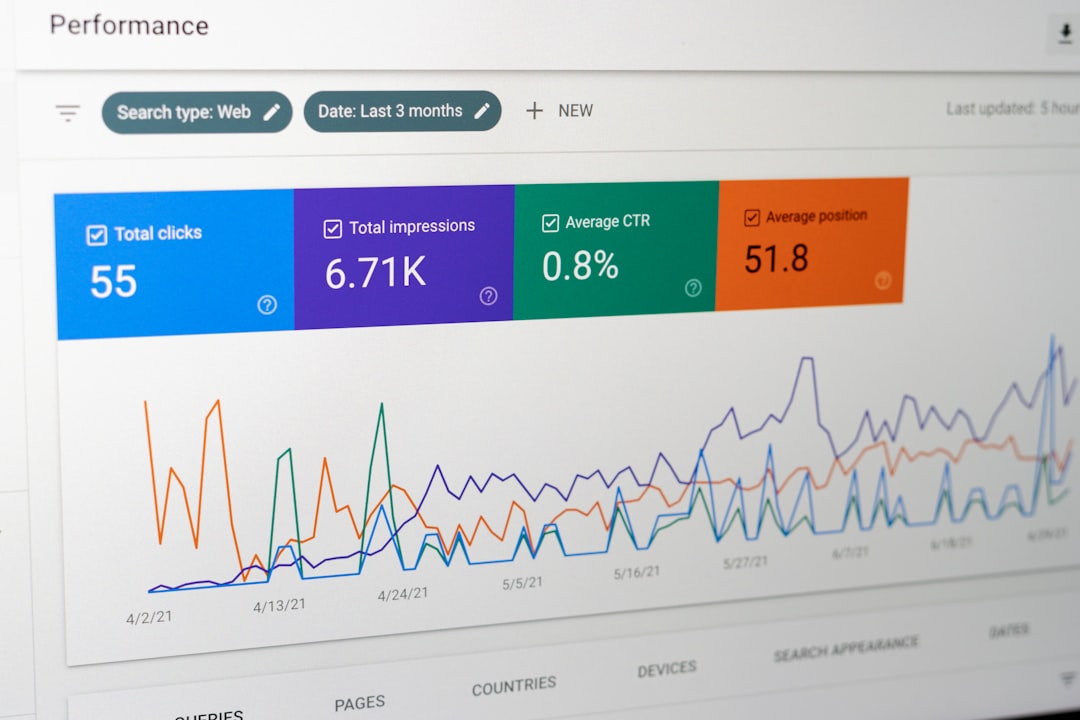
In today’s digital-forward world, the humble business card has undergone a transformation. No longer just slips of paper exchanged at meetings, modern business cards are equipped with smart features that allow marketers to track interactions, analyze viewer data, and make data-driven decisions. Leveraging business card tools with built-in analytics is becoming increasingly essential for businesses that prioritize ROI and lead intelligence.
TLDR: Digital business cards with analytic features help marketers track who views their cards, when, and how often. These tools offer features like click-through tracking, heat maps for engagement, integration with CRM systems, and mobile compatibility. The top 5 tools mentioned below stand out for their innovation, reliability, and value. If you’re in marketing or sales, leveraging one of these platforms could give you a serious edge.
1. HiHello
Best for: Teams and professionals who want fully customizable digital cards with real-time analytics.
HiHello is a highly popular platform for digital business cards, offering not just impressive design flexibility but also advanced analytics. With HiHello, users can easily track when their card has been viewed, how many times it’s been opened, and what links were clicked within the card.
Key Features:
- Real-time engagement tracking
- CRM integration with Salesforce and HubSpot
- Link click analytics and contact export features
- Custom branding and team management tools
HiHello also includes contact sharing via QR code, email, or even NFC (Near Field Communication), making it highly versatile for networking. Marketers benefit significantly from actionable insights like device type and location data.

2. Beaconstac
Best for: Enterprise-level businesses needing a scalable and secure digital business card solution.
Beaconstac sets itself apart with heavy-duty security protocols and excellent analytics features. The platform allows users to create digital business cards with dynamic QR codes that update links and details in real time. It offers comprehensive metrics including card scans, time spent viewing, click-through rates, and geographic tracking.
Key Features:
- Enterprise-grade encryption and GDPR compliance
- Bulk card creation for large teams
- Analytics dashboard showcasing real-time performance
- Integration with tools like Google Analytics and Slack
Marketing teams use Beaconstac not just to track views but also to A/B test different versions of cards by altering content layouts, colors, and call-to-action buttons. This gives a clear indication of what works best for specific audiences and scenarios.
3. Mobilo
Best for: Teams who prefer physical cards powered with digital tracking capabilities.
Mobilo blends the traditional and modern by offering a physical card with embedded NFC, which, when tapped, directs people to a digital profile. What makes Mobilo stand out is its focus on real-time data collection once the card is tapped. Every interaction is tracked and stored for performance evaluation.
Key Features:
- NFC-enabled physical cards with smart capabilities
- Real-time notifications and alerts for card interactions
- Lead generation analytics
- Auto sync with CRMs and follow-up tools
Marketers love the hybrid factor—it feels like a traditional business card but packs all the punch of a digital experience. Mobilo is particularly helpful for in-person events like conferences and trade shows.

4. Covve
Best for: Professionals who prioritize contact management combined with card analytics.
Covve offers a unique edge—it focuses not just on the card but the entire contact relationship. With customizable digital cards and integrated tracking, Covve gives users in-depth insights such as open rates and engagement timelines.
Key Features:
- Smart analytics on views, time of access, and click rates
- Automated reminders for follow-up
- AI-enhanced contact enrichment and updates
- GDPR-compliant and secure
Covve is ideal for marketing professionals trying to maintain and monitor numerous client relationships. It acts as both a digital business card and a smart address book, ensuring no interaction slips through the cracks.
5. Linq
Best for: Freelancers and small teams looking for a quick, interactive card experience with tracking.
Linq takes an easy-to-use approach to digital business cards. Users can create cards that include videos, links, files, and more, then distribute them via link or QR code. What’s particularly impressive is Linq’s analytics platform, which shows detailed metrics about visitor behavior.
Key Features:
- Card views, repeat visits, and click-through analytics
- Can embed video introductions and personalized messages
- CRM integration and follow-up automation
- Inexpensive and intuitive for small marketers
Linq also caters to tech-savvy users who want more than just a digital card—it enables interactive experiences that help seal the follow-up deal.
How Marketers Use These Tools Strategically
All five platforms allow marketing professionals to not only create and share beautiful digital cards but also gain actionable insights through real-time analytics. Marketers commonly analyze the following:
- Open Rates: To judge interest post-meeting or campaign.
- Click Behavior: Understand which links or embedded information is most engaging.
- Time Spent: Gauge how seriously potential leads are viewing the card.
- Location Tracking: Assess geographic trends for lead sourcing.
By integrating these insights with CRM platforms, marketing teams can refine their outreach strategies and personalize their pitches.
Conclusion
Digital business cards with analytics features are not just a novelty—they are tools of precision marketing. As face-to-face networking returns alongside virtual interactions, these platforms bridge both worlds with smart design and deep data. From enterprise-grade solutions like Beaconstac to the hybrid appeal of Mobilo, there’s a platform suitable for every marketer’s toolbox.
FAQs
- Q: Can digital business cards work offline?
A: Many platforms like Mobilo and HiHello support offline sharing through NFC cards or locally stored QR codes. - Q: Are these platforms secure and GDPR-compliant?
A: Yes, especially enterprise-focused tools like Beaconstac and Covve implement strict data protection standards. - Q: Is it difficult to set up a digital business card?
A: No, platforms like Linq and HiHello offer drag-and-drop interfaces and ready-to-use templates to simplify setup. - Q: Do these tools offer integration with CRMs?
A: Absolutely. Most of them integrate with popular CRMs like Salesforce, HubSpot, and Zoho to allow seamless contact imports. - Q: What’s the average cost for these services?
A: It varies—Linq and HiHello offer free tiers, while tools like Beaconstac charge based on volume and enterprise features.