Running an automotive dealership is a high-volume, high-detail business where every sale, trade-in, warranty claim, financing agreement, service order, and parts transaction affects profitability. Unlike many retail businesses, dealerships operate across multiple departments at once: new vehicles, used vehicles, service, parts, finance and insurance, and sometimes rentals or fleet sales. That complexity makes a strong accounting system not just helpful, but essential for accurate reporting, compliance, and smarter decision-making.
TLDR: Automotive dealerships need accounting features that go beyond basic bookkeeping. The most important tools include deal management, inventory accounting, parts and service tracking, floor plan management, payroll, tax compliance, and real-time reporting. A dealership accounting system should connect every department so managers can see true profitability, control cash flow, and reduce costly errors.
Why Dealership Accounting Is Different
At first glance, a dealership may look like a retail business: it buys inventory, sells products, collects payments, and pays expenses. But the accounting behind a dealership is far more layered. A single vehicle sale can include a trade-in, lender payoff, manufacturer rebate, extended warranty, finance reserve, sales tax, documentation fee, accessories, and commission expense.
On top of that, dealerships must track vehicles individually, not just as general inventory. Each unit has its own acquisition cost, reconditioning expense, floor plan interest, incentives, and sales margin. Service and parts departments also operate like separate businesses, with their own revenue streams, labor costs, inventory, and gross profit targets.
Because of this, dealerships need accounting features designed for unit-level accuracy, department-level reporting, and real-time operational visibility.
1. Vehicle Inventory Accounting
One of the most important accounting features for automotive dealerships is detailed vehicle inventory management. A dealership must know exactly what it owns, what it owes, how long each unit has been in stock, and how much profit is tied to every sale.
A strong system should track:
- Vehicle identification number for every unit
- Acquisition cost, including auction fees, transport, and purchase expenses
- Reconditioning costs for used vehicles
- Floor plan balance and interest expense
- Holdback, incentives, and rebates
- Days in inventory and aging reports
- Gross profit per unit after all costs are applied
This level of visibility helps managers avoid overstocking, identify slow-moving vehicles, and price inventory more strategically. For used car departments especially, knowing the true cost of each vehicle is critical. A vehicle that appears profitable on the surface may have absorbed thousands in recon expenses or floor plan interest, shrinking the final margin.

2. Deal Posting and Sales Accounting
Dealership sales transactions are complicated, and manual entry can easily lead to mistakes. A good accounting platform should allow staff to post deals accurately from the sales or finance department into the general ledger.
Essential deal posting features include:
- Automatic posting of vehicle sales revenue
- Cost of goods sold recognition
- Trade-in accounting
- Lender payoff tracking
- Sales tax calculation and posting
- Finance and insurance product revenue
- Commission calculation support
- Manufacturer rebate and incentive tracking
When the deal posting process is integrated, the accounting team spends less time re-entering information and more time reviewing accuracy. This also reduces delays between the sale date and financial reporting. In a fast-moving dealership environment, even a few days of lag can make cash flow and profit reports misleading.
3. Floor Plan Management
Many dealerships finance vehicle inventory through floor plan loans. This creates a unique accounting challenge: every vehicle may have an associated loan balance, interest cost, curtailment schedule, and payoff requirement.
Floor plan management features should help dealerships:
- Track floor plan principal by vehicle
- Record interest expense accurately
- Match lender statements to inventory records
- Flag vehicles requiring curtailment payments
- Ensure sold units are paid off on time
- Generate schedules for audits and lender reviews
Cash flow problems often begin with poor floor plan visibility. If a dealership sells vehicles but does not promptly pay down the associated floor plan debt, it can create compliance issues with lenders. Conversely, if accounting pays off vehicles incorrectly, it can tie up cash unnecessarily. Strong floor plan tools help keep inventory financing clean, accurate, and transparent.
4. Parts Inventory Accounting
The parts department is often one of the most profitable areas of a dealership, but only if inventory is carefully managed. Parts accounting must handle thousands of small items, frequent purchases, returns, warranty replacements, special orders, and obsolescence.
Key features for parts accounting include:
- Real-time parts inventory valuation
- Integration with repair orders
- Automatic cost updates
- Special order tracking
- Lost sales reporting
- Obsolete inventory reports
- Cycle count and physical inventory tools
Without accurate parts accounting, dealerships can lose money through shrinkage, over-ordering, pricing errors, or unused inventory. A good system helps department managers understand what is selling, what is sitting, and where profit margins can be improved.
5. Service Department Integration
The service department generates revenue through labor, parts, warranty work, maintenance packages, and customer-pay repairs. Accounting software must connect directly to repair orders so that revenue and costs are posted correctly.
Important service accounting features include:
- Labor sales tracking by technician, advisor, and repair type
- Warranty receivable accounting
- Internal repair order posting
- Customer-pay, warranty, and internal work classification
- Technician productivity and efficiency reporting
- Deferred revenue support for prepaid maintenance plans
Internal repair orders deserve special attention. When the service department reconditions a used vehicle for the sales department, that work should increase the cost of the vehicle inventory. If it is posted incorrectly, the service department may look profitable while the used vehicle department’s true margin becomes distorted.

6. Finance and Insurance Accounting
The finance and insurance department can be a major profit center for dealerships. It handles financing arrangements, vehicle service contracts, GAP coverage, tire and wheel protection, maintenance plans, and other products. Each item may involve different revenue recognition rules, commission structures, chargebacks, and provider payments.
The accounting system should support:
- F and I product revenue tracking
- Provider payable management
- Chargeback reserves and adjustments
- Finance reserve income tracking
- Product penetration reporting
- Compliance documentation support
Chargebacks are especially important. If a customer refinances, cancels a product, or pays off a loan early, the dealership may lose some of the income previously recorded. A reliable accounting system should help track these adjustments so income is not overstated.
7. General Ledger Designed for Dealerships
Every business needs a general ledger, but dealerships benefit from a chart of accounts tailored to their operations. Dealership accounting typically requires department-specific and account-specific detail so managers can evaluate performance by area.
A dealership-friendly general ledger should include:
- Departmental accounting for new vehicles, used vehicles, service, parts, body shop, and administration
- Recurring journal entries
- Interdepartmental transaction support
- Automated posting from sales, service, and parts modules
- Month-end closing tools
- Audit trails for transaction changes
Clean general ledger setup is the foundation of accurate reporting. If accounts are too broad, managers cannot identify where profits are created or lost. If accounts are too fragmented, financial statements become difficult to read. The best systems balance detail with clarity.
8. Accounts Receivable and Warranty Receivables
Dealerships have more than traditional customer receivables. They may be waiting for payments from lenders, manufacturers, warranty administrators, fleet customers, wholesale buyers, or insurance companies. Each receivable type has different timelines and documentation requirements.
Essential receivables features include aging reports, automated follow-up reminders, payment matching, statement generation, and dispute tracking. Warranty receivables should be especially visible because unpaid or rejected warranty claims can reduce service department profitability.
Aging reports are not just accounting documents; they are cash flow tools. When managers can see which receivables are overdue, they can take action before small delays become serious collection problems.
9. Accounts Payable and Vendor Management
Dealerships deal with a wide range of vendors: vehicle wholesalers, parts suppliers, advertising agencies, software providers, lenders, utility companies, recon shops, and warranty product administrators. An efficient accounts payable system keeps payments organized and prevents duplicate or missed invoices.
Look for features such as invoice approval workflows, check and electronic payment processing, vendor history, purchase order matching, and expense categorization. For larger dealer groups, centralized accounts payable can improve control while still allowing department managers to approve relevant expenses.
10. Payroll and Commission Accounting
Dealership compensation can be complex. Employees may be paid hourly wages, salaries, flat-rate technician pay, sales commissions, bonuses, spiffs, or draw-against-commission structures. Accounting software should either include payroll functionality or integrate smoothly with a payroll provider.
Useful payroll features include:
- Commission calculation by deal profitability
- Technician flat-rate hour tracking
- Department-specific payroll allocation
- Bonus and incentive tracking
- Payroll tax reporting
- Integration with timekeeping systems
Accurate payroll accounting helps dealerships understand true labor cost by department. It also reduces disputes with employees and supports compliance with wage and tax requirements.
11. Tax Compliance and Reporting
Automotive dealerships face sales tax, payroll tax, income tax, property tax, and sometimes excise or local business taxes. Vehicle sales tax can vary depending on location, trade-in treatment, rebates, fees, and customer type.
Accounting systems should support accurate tax calculation, exemption handling, filing reports, and audit documentation. Since dealerships process large-dollar transactions, even a small tax mistake can become expensive. Good tax reporting tools help the accounting team stay compliant and prepared for reviews.
12. Real-Time Financial Reporting
Managers should not have to wait until month-end to understand dealership performance. Real-time reporting gives leadership a current view of sales, gross profit, expenses, cash, inventory, and receivables.
Valuable reports include:
- Daily operating control reports
- Vehicle gross profit analysis
- Inventory aging reports
- Service and parts profitability reports
- Cash flow summaries
- Department income statements
- Salesperson and technician performance reports
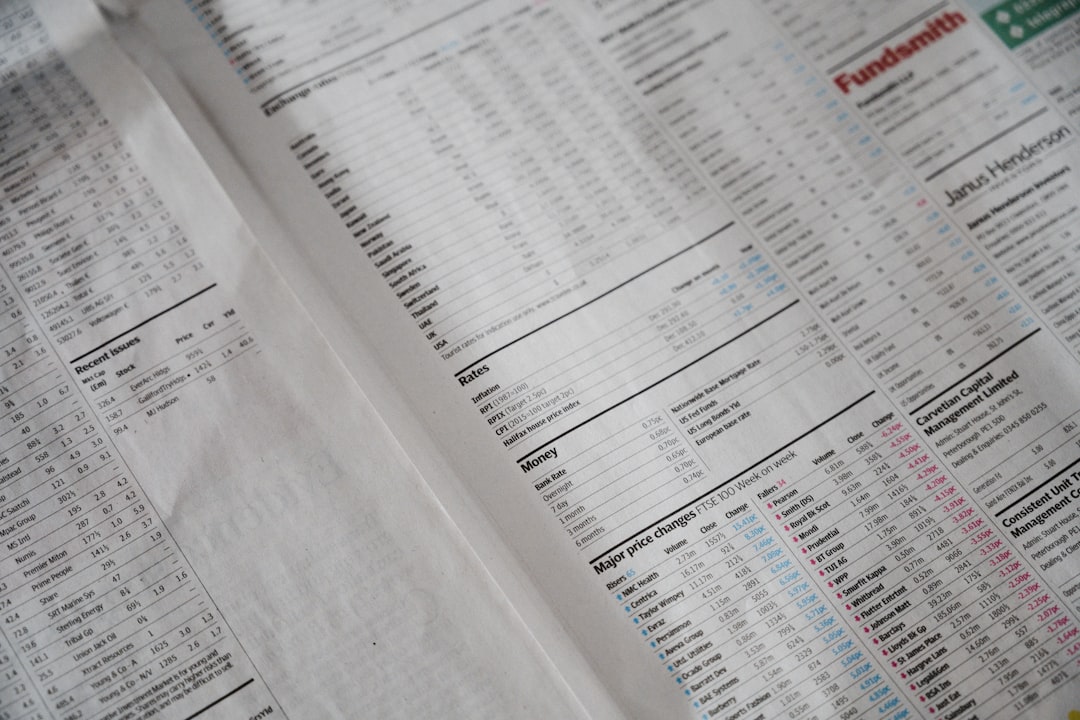
The best reports are not merely numbers on a screen. They tell a story about the dealership: which departments are gaining momentum, where costs are rising, which inventory needs attention, and whether cash is keeping pace with sales activity.
13. Multi-Location and Consolidation Features
Dealer groups need accounting systems that can manage multiple rooftops, franchises, or locations. Each store may need its own financial statements, but ownership also needs consolidated reporting.
Important multi-location features include shared vendor records, intercompany accounting, consolidated financial statements, location-level permissions, and standardized chart of accounts structures. These tools allow dealer groups to compare performance across stores while maintaining accurate local records.
14. Security, Permissions, and Audit Trails
Because dealership accounting systems contain sensitive financial, customer, payroll, and lender information, security is critical. Role-based permissions ensure employees can access only the functions they need.
Audit trails are equally important. They show who entered, changed, approved, or deleted transactions. This protects the dealership from fraud, supports accountability, and makes audits easier. In an environment with many moving parts, strong internal controls are essential.
Choosing the Right Accounting System
The right accounting platform should fit the dealership’s size, structure, and workflow. A small independent used car dealer may need strong inventory, sales tax, and floor plan tools. A large franchise dealer may require manufacturer statement integration, warranty receivable tracking, parts inventory controls, and advanced departmental reporting.
Before choosing software, dealerships should evaluate how well the system connects sales, service, parts, finance, payroll, and the general ledger. The goal is not just to record transactions after they happen, but to create a connected financial environment where information flows accurately from every department.
Final Thoughts
Automotive dealership accounting is about more than balancing books. It is about understanding profitability at the unit, department, and enterprise level. The right features help dealerships manage inventory, protect cash flow, improve margins, stay compliant, and make faster decisions.
In a business where a single missed payoff, misposted repair order, or inaccurate inventory cost can affect thousands of dollars, accounting accuracy matters every day. Dealerships that invest in strong accounting systems gain more than cleaner financial statements; they gain better control over the entire operation.