
As marketing budgets become more scrutinized in 2026, attribution platforms are no longer viewed as optional reporting tools. They have become decision engines for revenue teams, ecommerce brands, agencies, and product led organizations that need to understand which channels, campaigns, and journeys actually create growth. The strongest platforms now combine multi touch attribution, media mix modeling, incrementality testing, privacy safe data handling, and AI assisted recommendations.
TLDR: In 2026, the best marketing attribution platform depends heavily on business model, data maturity, and channel mix. Adobe, Salesforce, and Google Analytics 4 suit large organizations with complex data ecosystems, while Northbeam, Triple Whale, and Rockerbox are strong choices for ecommerce and performance marketing teams. AppsFlyer, Adjust, and Branch remain leaders for mobile attribution, while Dreamdata and Marketo Measure are better suited to B2B revenue attribution.
What Defines a Top Attribution Platform in 2026?
The attribution category has changed significantly because cookie loss, privacy regulations, walled gardens, and fragmented buyer journeys have made traditional last click reporting less reliable. A platform that ranks highly in 2026 usually does more than assign conversion credit. It helps marketers compare channels, connect offline and online touchpoints, measure incrementality, and model performance when direct tracking is incomplete.
The most important evaluation criteria include:
- Attribution models: Support for first touch, last touch, linear, position based, algorithmic, and custom models.
- Media mix modeling: The ability to estimate the impact of spend across channels, even when user level data is limited.
- Incrementality testing: Tools for measuring whether campaigns create new demand or merely capture existing intent.
- Data integrations: Connections to ad platforms, CRMs, ecommerce systems, analytics tools, warehouses, and offline sources.
- Privacy readiness: Consent management support, server side tracking, clean room compatibility, and aggregated measurement.
- Usability: Clear dashboards, explainable insights, and workflows that non technical teams can use.
1. Google Analytics 4
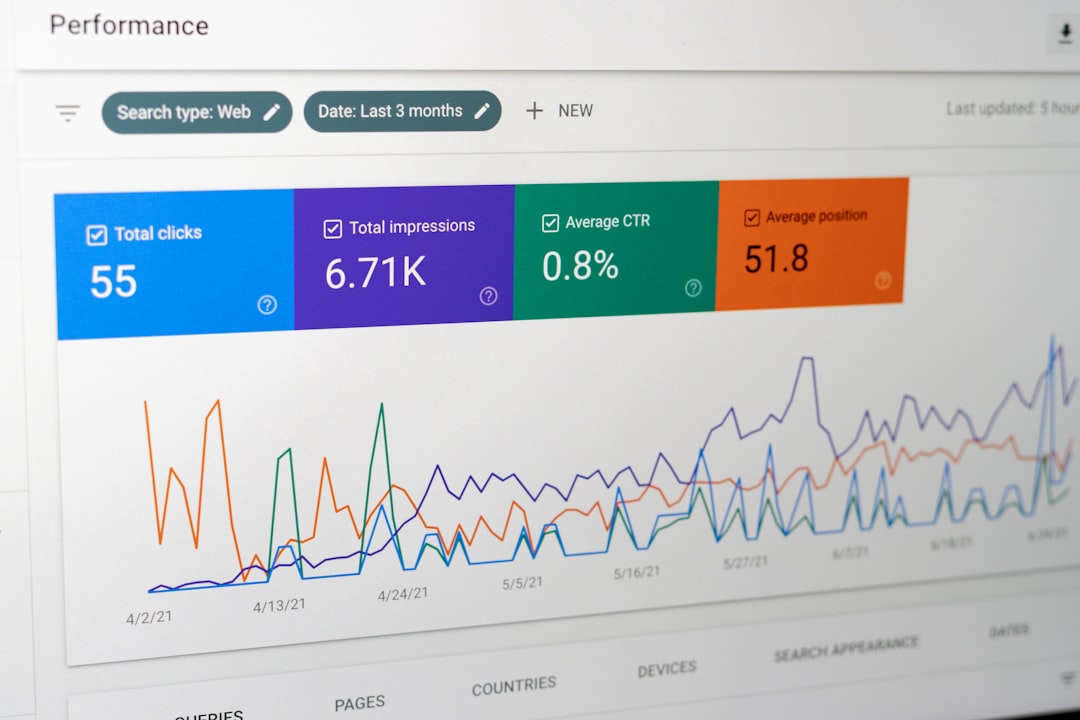
Google Analytics 4, commonly known as GA4, remains one of the most widely used attribution tools because it is accessible, deeply integrated with Google Ads, and suitable for many businesses at no direct software cost. In 2026, GA4 is best viewed as a foundational analytics and attribution platform rather than a complete enterprise measurement suite.
Its biggest advantage is its integration with the Google ecosystem. Teams that spend heavily on Search, YouTube, Performance Max, and Display can benefit from native conversion reporting and data driven attribution. GA4 also supports event based tracking, audience building, and cross device measurement.
However, GA4 has limitations. Many organizations find its interface less intuitive than earlier analytics tools, and its attribution views can feel restrictive for advanced analysis. It is strongest for teams that need a reliable baseline, but less ideal for companies that require extensive cross channel modeling across non Google platforms.
Best for: Small to mid sized companies, Google heavy advertisers, and teams needing a cost effective attribution foundation.
2. Adobe Customer Journey Analytics and Adobe Mix Modeler
Adobe offers one of the most powerful attribution ecosystems for enterprise organizations. Adobe Customer Journey Analytics allows brands to unify customer data across digital and offline touchpoints, while Adobe Mix Modeler adds media mix modeling and planning capabilities.
The platform is particularly strong for companies with complex customer journeys, multiple business units, large data volumes, and mature analytics teams. Adobe’s strength lies in flexibility. It can support granular segmentation, advanced journey analysis, and enterprise governance.
The tradeoff is complexity. Adobe typically requires significant implementation resources, data architecture planning, and skilled analysts. It is not the fastest option for smaller teams, but for global enterprises, it can become a central measurement layer across marketing, product, and customer experience.
Best for: Large enterprises, complex customer journeys, and organizations already using Adobe Experience Cloud.
3. Salesforce Marketing Cloud Intelligence
Salesforce Marketing Cloud Intelligence, formerly associated with Datorama, is a strong option for teams that need to centralize marketing performance data from many sources. Its strength is not only attribution but also marketing intelligence, dashboarding, and executive reporting.
For organizations already invested in Salesforce CRM, the platform can help connect marketing activity to pipeline, opportunities, and revenue. It is especially valuable when leadership needs consistent reporting across regions, agencies, channels, and business units.
Salesforce Marketing Cloud Intelligence can be expensive and may require implementation support. Its value increases when paired with clean CRM processes and disciplined campaign taxonomy. Without good data governance, even the best dashboards can become difficult to trust.
Best for: Enterprise marketing teams, Salesforce centered organizations, and companies needing unified performance reporting.
4. Marketo Measure
Marketo Measure, previously known as Bizible, is one of the most recognized B2B attribution platforms. It focuses on connecting marketing touchpoints to accounts, opportunities, pipeline, and closed revenue. For companies with long sales cycles, multiple stakeholders, and heavy CRM usage, it remains a strong contender in 2026.
The platform supports multi touch attribution models that are designed around B2B funnel stages. It can show how webinars, paid search, content syndication, events, organic search, and sales interactions contribute to pipeline creation and deal progression.
Its fit is narrower than some all purpose attribution tools. Ecommerce brands and mobile app teams are unlikely to find it ideal. But for B2B SaaS, technology, and professional services firms, it provides a revenue centric view that standard web analytics cannot easily match.
Best for: B2B companies using Salesforce or Marketo, especially those measuring pipeline influence and revenue impact.
5. Dreamdata
Dreamdata has become a notable B2B revenue attribution platform for companies that want to unify go to market data without building everything from scratch. It helps connect website behavior, CRM data, advertising spend, outbound activity, and revenue outcomes.
One of its strengths is its focus on account based journeys. B2B purchases rarely happen through a single user or session, and Dreamdata is built to show the broader buying committee journey. It can help teams understand which channels create first engagement, which accelerate opportunities, and which influence closed won revenue.
Dreamdata is often attractive to growing B2B companies that want more than GA4 but may not need the complexity of Adobe or Salesforce enterprise stacks. Its success still depends on strong CRM hygiene and consistent tracking practices.
Best for: B2B SaaS companies, account based marketing teams, and revenue operations groups.

6. Northbeam
Northbeam is a popular attribution and media measurement platform for ecommerce brands, particularly those investing in Meta, Google, TikTok, influencer marketing, and email. It has gained attention because it combines multi touch attribution with media mix modeling and forecasting features designed for performance marketers.
Northbeam is especially useful for direct to consumer brands that need to compare paid social, paid search, lifecycle marketing, and creative performance. Its dashboards are built around metrics such as revenue, contribution margin, new customer acquisition, and payback periods.
The platform is not necessarily the best fit for complex B2B sales cycles or highly offline businesses. However, for ecommerce teams that need faster budget decisions and clearer channel comparisons, Northbeam is one of the strongest options in 2026.
Best for: Direct to consumer brands, ecommerce marketers, and performance teams focused on paid media efficiency.
7. Triple Whale
Triple Whale is another major ecommerce attribution platform, especially popular among Shopify based brands. It brings together revenue tracking, ad performance, attribution, creative insights, and operational metrics in a user friendly dashboard.
Its appeal lies in speed and accessibility. Many ecommerce operators prefer tools that quickly show daily performance, blended return on ad spend, customer acquisition cost, and channel contribution. Triple Whale is designed for this kind of hands on decision making.
Compared with enterprise platforms, it may offer less flexibility for highly customized analytics environments. Still, for growing ecommerce companies that want practical insights without a long implementation timeline, it remains a compelling choice.
Best for: Shopify brands, ecommerce founders, agencies, and growth marketers needing clear daily performance visibility.
8. Rockerbox
Rockerbox is built for brands that need cross channel attribution across digital, offline, and upper funnel marketing. It is often used by consumer brands that advertise across television, podcasts, direct mail, paid social, search, affiliates, and influencers.
Rockerbox stands out because it helps teams evaluate channels that are difficult to measure with standard click based attribution. It supports multi touch attribution, media mix modeling, and incrementality measurement, which makes it useful for brands with diversified media strategies.
Its greatest value appears when a company has enough spend and channel diversity to justify a more advanced measurement approach. Smaller brands with only a few channels may not need its full capabilities.
Best for: Consumer brands with broad media mixes, offline campaigns, and upper funnel advertising.
9. AppsFlyer
AppsFlyer remains one of the leading mobile attribution platforms in 2026. It is widely used by mobile app companies, gaming studios, subscription apps, and fintech brands that need to measure installs, in app events, retention, and lifetime value.
The platform offers strong support for mobile measurement partners, fraud protection, deep linking, privacy preserving measurement, and campaign optimization. In a mobile ecosystem shaped by Apple’s App Tracking Transparency and aggregated measurement, AppsFlyer’s experience in privacy safe attribution is a major advantage.
For web first or B2B companies, AppsFlyer may be too specialized. For mobile first businesses, however, it is often a top tier choice.
Best for: Mobile apps, gaming companies, subscription apps, and app based performance marketing teams.
10. Adjust
Adjust is another strong mobile measurement platform, competing closely with AppsFlyer. It provides attribution, analytics, fraud prevention, audience segmentation, and campaign measurement for app marketers.
Adjust is often favored by teams that want detailed mobile analytics and strong fraud detection. It is particularly relevant for performance driven app businesses that need to monitor acquisition quality, not just install volume.
As with AppsFlyer, its specialization is both a strength and a limitation. It is not intended to replace broader enterprise attribution systems, but it performs very well in mobile environments.
Best for: App marketers, mobile gaming publishers, and teams focused on acquisition quality and retention.
11. Branch
Branch combines mobile attribution with deep linking and cross platform user experience tools. It is especially valuable when brands need to connect web, app, email, paid media, and referral journeys into a smoother customer path.
Branch is strong at helping users land in the right app screen after clicking a link, which can improve conversion and retention. Its attribution features are useful, but its broader value is in connecting journeys across devices and platforms.
Best for: Mobile first companies, marketplaces, consumer apps, and brands prioritizing deep linking and cross platform journeys.
Comparison Snapshot
| Platform | Primary Strength | Best Fit |
|---|---|---|
| GA4 | Accessible web and app analytics | Google focused advertisers |
| Adobe | Enterprise journey analytics and modeling | Large global organizations |
| Salesforce Marketing Cloud Intelligence | Unified marketing reporting | Salesforce centered enterprises |
| Marketo Measure | B2B pipeline attribution | B2B revenue teams |
| Dreamdata | Account based revenue attribution | B2B SaaS companies |
| Northbeam | Ecommerce attribution and media modeling | DTC performance teams |
| Triple Whale | Shopify focused performance visibility | Growing ecommerce brands |
| Rockerbox | Cross channel and offline measurement | Consumer brands with mixed media |
| AppsFlyer | Mobile attribution | App based businesses |
| Adjust | Mobile analytics and fraud prevention | Mobile performance teams |
| Branch | Deep linking and cross platform journeys | Mobile first brands |
How Companies Should Choose in 2026
No single attribution platform is best for every company. Selection should begin with the business model. A B2B SaaS company with a nine month sales cycle needs account and opportunity attribution, while a mobile gaming company needs install quality, retention, and lifetime value reporting. A direct to consumer brand may care most about blended return on ad spend, new customer revenue, and creative performance.
Data maturity also matters. Enterprise platforms can deliver powerful insights, but they require clean data, consistent naming conventions, and technical support. Simpler tools may provide faster value for teams that need clarity without extensive customization.
The best approach for many organizations is to combine methodologies. Multi touch attribution can explain observed customer paths, media mix modeling can estimate channel impact where tracking is limited, and incrementality testing can confirm whether spend is creating real lift. Platforms that blend these approaches are likely to become more valuable as privacy restrictions evolve.
Final Verdict
In 2026, the attribution market is more specialized than ever. Adobe and Salesforce lead for large enterprises, GA4 remains the practical baseline for many teams, and Marketo Measure plus Dreamdata stand out for B2B revenue attribution. For ecommerce, Northbeam, Triple Whale, and Rockerbox offer strong performance measurement options. For mobile, AppsFlyer, Adjust, and Branch remain among the most relevant choices.
The winning platform is the one that matches the company’s channels, data quality, decision speed, and measurement philosophy. Rather than chasing perfect attribution, leading teams in 2026 are using attribution platforms to make better directional decisions, test assumptions, and allocate budget with greater confidence.
FAQ
What is a marketing attribution platform?
A marketing attribution platform is software that helps organizations understand how marketing touchpoints contribute to conversions, revenue, pipeline, installs, or other business outcomes.
Which attribution platform is best for ecommerce in 2026?
Northbeam, Triple Whale, and Rockerbox are among the strongest ecommerce options, depending on whether the brand needs daily Shopify reporting, advanced media modeling, or broader cross channel measurement.
Which attribution platform is best for B2B companies?
Marketo Measure and Dreamdata are strong B2B choices because they connect marketing touchpoints to accounts, opportunities, pipeline, and closed revenue.
Is Google Analytics 4 enough for attribution?
GA4 may be enough for smaller teams or Google focused advertisers. Larger organizations with complex journeys, offline channels, or advanced revenue reporting needs often require additional attribution or business intelligence tools.
What is the difference between multi touch attribution and media mix modeling?
Multi touch attribution assigns credit based on tracked customer interactions, while media mix modeling uses aggregated data and statistical analysis to estimate the impact of channels, including those that are hard to track directly.
Are attribution platforms still reliable with privacy changes?
They can be reliable when used correctly. In 2026, the best platforms combine tracked data, aggregated modeling, privacy safe measurement, and incrementality testing rather than depending only on cookies or user level tracking.