Working from home can feel like magic. No commute. No loud office printer. No mystery fish in the break room microwave. But it can also feel messy. Your couch is close. Your snacks are closer. Your brain may think, “We live here, so we can relax here.” The trick is to build a simple system that helps you work well, rest well, and not turn into a pajama goblin by Thursday.
TLDR: Pick a clear work schedule, plan your day before it starts, and protect your focus like it is a tiny sleeping kitten. Use simple tools like time blocks, task lists, and breaks. Stop working at a real end time, or burnout will sneak in wearing fluffy slippers.
1. Start With a Real Morning Routine
Your day needs a launch button. When you work from home, the launch button is not always clear. You may roll from bed to laptop in seven minutes. This sounds efficient. It is not always helpful.
Your brain needs a signal. It needs to know, “Work mode has started.” This does not need to be fancy. You do not need a sunrise yoga ceremony with a crystal bowl. Unless you want that. Then go forth.
Try this simple routine:
- Wake up at the same time most workdays.
- Drink water before coffee.
- Get dressed in “soft but serious” clothes.
- Eat something with protein.
- Check your plan before checking messages.
Important: Do not start the day inside your inbox. Email is other people’s to do list. Your own work deserves the first hello.

2. Create a Work Zone
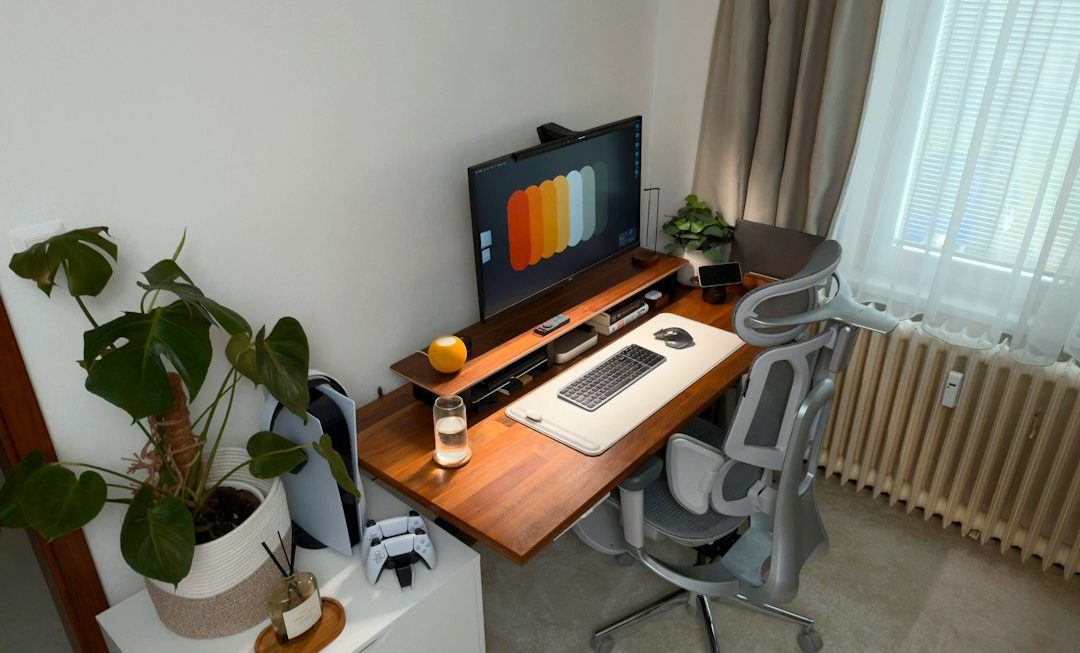
You do not need a perfect office. You need a clear work zone. It can be a desk. It can be a kitchen table. It can be a small corner with a chair and a lamp. The goal is simple. When you sit there, your brain thinks, “We do work here.”
If you work from your bed, your brain gets confused. Is this sleep land? Is this spreadsheet land? Is this snack and scroll land? Nobody knows. Chaos wins.
Make your work zone feel ready:
- Keep your charger nearby.
- Use good light.
- Remove random clutter.
- Keep water on your desk.
- Use headphones if your home is noisy.
Small space is fine. Clear space is better than big space.
3. Plan the Day Before the Day Eats You
A workday without a plan is like going grocery shopping while hungry. You may survive. But you may also come home with cookies, olives, and no actual dinner.
Before you start, write down your top tasks. Keep it short. A giant list can make you freeze. Pick three important things. These are your Big Three.
Ask yourself:
- What must be done today?
- What would make today feel successful?
- What can wait?
Then place your Big Three on your calendar. This is called time blocking. It means you give tasks a home. A task without a time slot is just a wish wearing business shoes.
For example:
- 9:00 to 10:30: Write report draft.
- 10:30 to 10:45: Break.
- 10:45 to 12:00: Client emails.
- 1:00 to 2:30: Project review.
This helps you see the day clearly. It also stops small tasks from stealing all the good hours.
4. Use Focus Sprints
Focus is not endless. It is more like a phone battery. It drains. It needs charging. So do not try to focus for six hours straight. That is how you end up reading one sentence 19 times.
Use focus sprints. Work for a set time. Then take a short break. Simple. Classic. Powerful.
Try one of these:
- 25 minutes work, 5 minutes break: Great for hard starts.
- 50 minutes work, 10 minutes break: Great for deep work.
- 90 minutes work, 20 minutes break: Great for big creative tasks.
During a sprint, do one thing. Not five things. One thing. If you are writing, write. If you are coding, code. If you are making slides, make slides. Do not also check chat, fold laundry, and investigate whether penguins have knees.
They do, by the way. But look that up later.
5. Fight Distractions With Tiny Rules
Distractions at home are sneaky. The laundry whispers. The dishes stare. Your phone shines like a tiny portal to nonsense. You need rules. Not harsh rules. Tiny rules.
Try these:
- Put your phone in another room during focus time.
- Close extra browser tabs.
- Turn off non urgent notifications.
- Check messages at set times.
- Keep a “later list” for random thoughts.
The “later list” is magic. When your brain says, “Buy toothpaste,” write it down. Then return to work. When your brain says, “Maybe I should reorganize the spice drawer,” write it down. Then return to work. Your brain likes being heard. It does not always need to be obeyed.

6. Manage Meetings Like a Kind Wizard
Remote work can turn into meeting soup. A little meeting here. A little meeting there. Soon your whole day is broth.
Protect your calendar. Meetings should have a purpose. They should also have an end time. If a meeting has no agenda, ask for one. Be polite. Be clear. You are not being difficult. You are guarding the village.
Good meeting habits include:
- Set a clear goal.
- Invite only the needed people.
- Start on time.
- End early when possible.
- Write down next steps.
If a message can solve it, skip the meeting. If a five minute call can solve it, do not book an hour. Time is not a bottomless nacho bowl.
7. Take Breaks That Actually Help
A break is not always restful. Scrolling social media for ten minutes can feel like a break. But sometimes it leaves your brain feeling like a blender full of bees.
Choose breaks that reset you:
- Walk outside.
- Stretch your back and neck.
- Refill your water.
- Look out a window.
- Pet your dog, cat, or emotional support houseplant.
Move your body. Your body was not made to become a chair accessory. Even a two minute stretch helps. Roll your shoulders. Stand up. Shake your legs. Yes, you may look silly. That is fine. Productivity loves a little silliness.
8. Set Clear Home Boundaries
Other people may not understand that working from home still means working. They may think you are “kind of free.” You are not. You are at work. Your office just happens to contain your cereal.
Tell people your work hours. Tell them when you can talk. Tell them when you cannot. Use clear signs if needed. A closed door can mean “Do not enter unless the house is on fire.” A sticky note can help. Headphones can help too.
Try saying:
- “I can talk at lunch.”
- “I am focusing until 11.”
- “Please text me unless it is urgent.”
- “I am done at 5, then I can help.”
Boundaries are not rude. They are instructions. They help people love you without interrupting your spreadsheet.
9. End the Workday on Purpose
This is a big one. When you work from home, work can leak into everything. You answer one email after dinner. Then one more. Then suddenly it is 10:47 p.m. and you are making a chart in slippers.
You need a shutdown routine. It tells your brain, “Work is done.” It also protects your evening.
Try this simple shutdown:
- Review what you finished.
- Write tomorrow’s Big Three.
- Check your calendar.
- Close your laptop.
- Leave your work zone.
Say it out loud if you want: “Work is done.” It may feel goofy. Goofy works.

10. Prevent Burnout Before It Gets Loud
Burnout is not just being tired. It is deeper. It can feel like a heavy fog. You may feel annoyed, numb, slow, or always behind. The best time to deal with burnout is before it becomes a monster sitting on your chest.
Watch for warning signs:
- You feel tired even after sleep.
- You dread opening your laptop.
- Small tasks feel huge.
- You are more irritated than usual.
- You stop enjoying things after work.
If you spot these signs, do not ignore them. Your body is sending a memo. Read the memo.
Burnout prevention is built from basics:
- Sleep enough.
- Eat real meals.
- Move daily.
- Take vacation days.
- Talk to people you like.
- Ask for help when workload is too high.
Rest is not a reward for finishing everything. Rest is part of how you stay able to work. You do not charge your phone only after it dies. Treat yourself at least as well as a rectangle with apps.
11. Make Your System Easy to Repeat
The best productivity system is not the fanciest one. It is the one you will use when you are busy, tired, and slightly cranky. Keep it simple.
A strong work from home system can look like this:
- Morning routine.
- Big Three task list.
- Time blocks.
- Focus sprints.
- Real breaks.
- Clear end time.
That is enough. You do not need 14 apps, 9 dashboards, and a color coded life command center. Unless that brings you joy. If it does, enjoy your rainbow empire.
Start small. Pick one habit this week. Maybe you plan your Big Three each morning. Maybe you stop working at 5:30. Maybe you put your phone in another room for one focus sprint. Small changes count. They count a lot.
Final Thoughts
Working from home is not about being productive every second. That is not human. It is about using your energy well. It is about knowing when to focus, when to pause, and when to shut the laptop like a tiny book of power.
Build a rhythm that fits your life. Guard your best hours. Take breaks before your brain turns to soup. End your day with pride, even if everything is not done. There will always be more work. There is only one you.
So work well. Rest well. And please, change out of your pajamas sometimes.