Robots are no longer stuck in sci-fi movies. They move pallets in warehouses. They deliver food in hospitals. They inspect oil rigs and scan shelves in retail stores. But here’s the catch. One robot is easy to manage. A fleet of 50, 100, or 1,000? That’s a different game. You need smart software to keep everything running smoothly.
TLDR: Robot fleet orchestration platforms help businesses monitor and control multiple robots in real time. They manage traffic, assign tasks, prevent collisions, and track performance. The best platforms are scalable, easy to integrate, and offer clear dashboards. In this article, we explore four powerful platforms and compare what makes each one special.
Let’s break it down in a simple way.
Robot fleet orchestration is like air traffic control. But for robots. It tells them where to go. What to do. When to charge. And how to avoid bumping into each other.
Now, let’s explore four platforms that do this really well.
1. MiR Fleet by Mobile Industrial Robots
MiR Fleet is built for managing autonomous mobile robots (AMRs). It is simple. Visual. And designed for industrial environments.
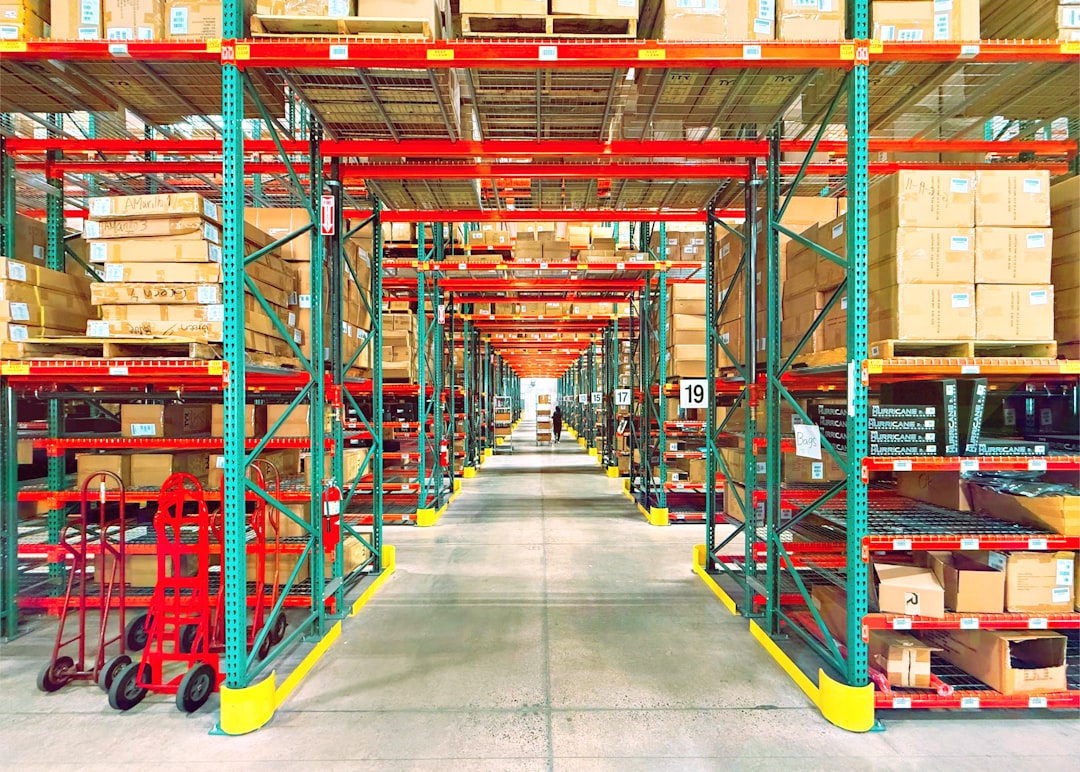
Imagine a warehouse filled with robots carrying bins from one place to another. MiR Fleet acts as the brain. It assigns missions. It optimizes routes. It monitors battery levels.
Key Features
- Centralized Control: Manage multiple MiR robots from one dashboard.
- Dynamic Task Allocation: Automatically assigns tasks to the nearest available robot.
- Traffic Management: Reduces congestion in busy areas.
- Real-Time Monitoring: Track robot status, location, and battery life live.
One of its biggest strengths is ease of use. The interface is clean. The maps are visual. You can see everything happening in real time.
It also integrates with warehouse management systems (WMS) and ERP software. That means tasks can be triggered automatically. For example, when an order is placed, a robot starts moving goods right away.
Best for: Warehouses and factories using MiR robots.
2. FetchCore by Fetch Robotics (now part of Zebra Technologies)
FetchCore is a cloud-based platform. It is built for flexibility. It supports different robot types. And it shines in complex environments.
Think of a hospital. Robots deliver medicine. Others carry laundry. Some transport meals. FetchCore keeps them organized and on schedule.

Key Features
- Cloud Management: Control robots from anywhere.
- API Integration: Connect with third-party systems easily.
- Real-Time Alerts: Get notifications for errors or delays.
- Usage Analytics: Measure efficiency and performance over time.
One cool part? You can push software updates over the air. No manual updates needed. This is helpful for large fleets across multiple sites.
It also provides detailed analytics. Want to know which robot is the most productive? Or which hallway causes delays? The data is there.
Best for: Healthcare, logistics, and multi-site operations.
3. BrainOS by Brain Corp
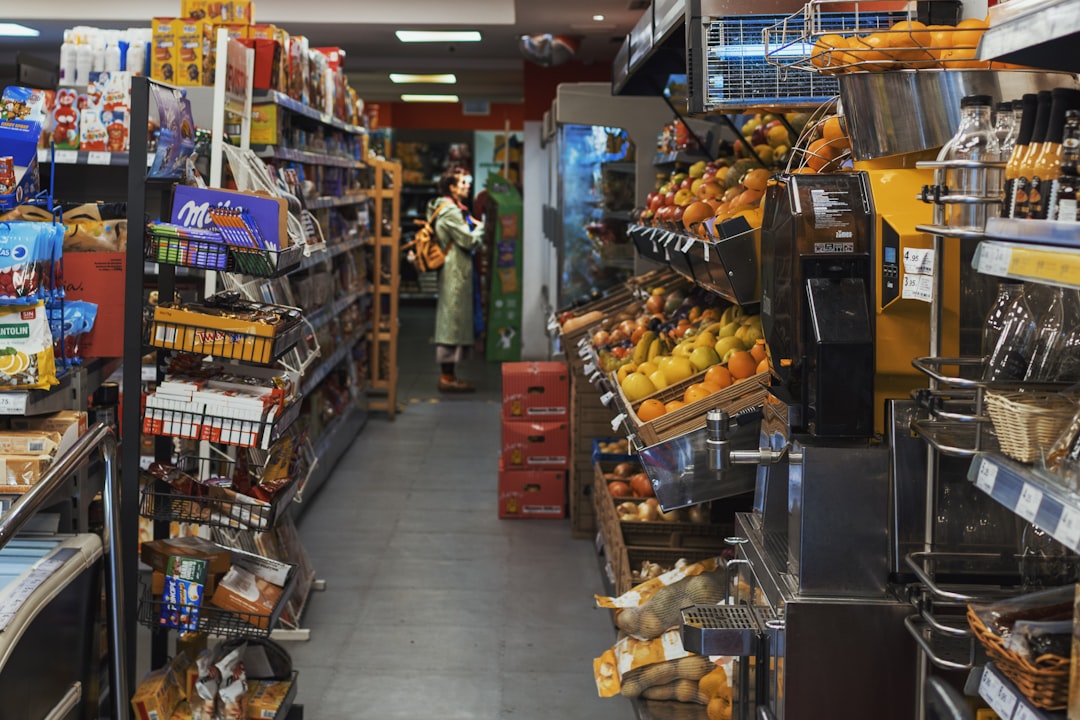
BrainOS powers thousands of robots worldwide. It is often used in retail stores and large commercial spaces.
If you’ve seen a robot cleaning supermarket floors at night, chances are BrainOS was behind it.
This platform focuses heavily on autonomy and data.
Key Features
- Autonomous Navigation: Advanced AI for obstacle avoidance.
- Fleet Performance Dashboard: View health and activity across all units.
- Data Insights: Collect operational data from every run.
- Scalable Architecture: Manage thousands of robots across locations.
BrainOS stands out because it turns robots into data collectors. In retail, robots can scan shelves while cleaning. They check inventory. They detect pricing errors. That’s double value.
The system is also strong in compliance tracking. You can prove that floors were cleaned at specific times. This matters in grocery and healthcare settings.
Best for: Retail chains and commercial cleaning operations.
4. Open-RMF (Open Robotics Middleware Framework)
Open-RMF is different. It is open source. That means developers can customize it deeply.
It is designed to help robots from different vendors work together. That’s huge.
Imagine a smart building. Delivery robots. Cleaning robots. Security robots. All from different companies. Open-RMF helps coordinate them.
Key Features
- Interoperability: Connect robots from multiple brands.
- Traffic Scheduling: Shared maps and conflict avoidance.
- Flexible Integration: Works with elevators and doors.
- Open Source: Fully customizable by developers.
This platform is powerful in smart hospitals, airports, and research campuses. It ensures robots do not fight over elevators. Yes, that’s a real problem.
Since it is open source, it requires more technical expertise. But the flexibility is unmatched.
Best for: Complex environments with mixed robot fleets.
Comparison Chart
| Platform | Best For | Cloud Based | Multi Brand Support | Real Time Monitoring | Scalability |
|---|---|---|---|---|---|
| MiR Fleet | Warehouses | Optional | Limited to MiR | Yes | High |
| FetchCore | Healthcare, Logistics | Yes | Yes | Yes | High |
| BrainOS | Retail, Cleaning | Yes | Limited | Yes | Very High |
| Open RMF | Smart Buildings | Flexible | Yes | Yes | Very High |
What Makes a Great Robot Fleet Platform?
All four platforms offer real-time monitoring and control. But what really matters?
1. Live Visibility
You should see every robot on a map. In real time. With battery level. Task status. And alerts.
2. Smart Task Assignment
The system should pick the best robot for the job. Automatically. Based on distance. Availability. And battery.
3. Traffic Control
Robots must avoid congestion. Especially in narrow hallways. Good orchestration prevents deadlocks.
4. Scalability
Start with five robots. Grow to five hundred. The platform should handle both.
5. Integration
It should connect to elevators. Doors. Warehouse systems. ERP software. The more connected, the better.
Why Real-Time Monitoring Changes Everything
Real-time data is powerful. It helps managers react quickly. If a robot stops moving, you know instantly. If a battery runs low, you can reroute tasks.
Without real-time monitoring, small problems become big ones.
With it, operations stay smooth.
You can also improve performance over time. Spot patterns. Reduce downtime. Increase robot utilization.
More efficiency. Lower costs. Happier teams.
The Future of Fleet Orchestration
The future looks exciting.
We are moving toward mixed fleets. Different robot brands. Different job types. All in one building.
AI will play a bigger role. Systems will predict traffic before it happens. They will schedule charging automatically during slow hours.
Digital twins will become common. Managers will simulate robot movement before deploying changes in real life.
And cybersecurity will grow in importance. Because connected robots must be protected.
Final Thoughts
Robot fleets are growing fast. Warehouses rely on them. Hospitals depend on them. Retail stores benefit from them.
But robots without orchestration are like cars without traffic lights. Chaos.
Platforms like MiR Fleet, FetchCore, BrainOS, and Open-RMF bring order to the system.
They monitor in real time. They control intelligently. They scale with your needs.
Choosing the right one depends on your environment. Your robot types. And your long-term goals.
One thing is clear. As robots become more common, fleet orchestration platforms will become the true heroes behind the scenes.
Silent. Smart. And always watching.