
Crafting an effective headline in 2025 requires more than just catchy words—it requires strategy, understanding of audience behavior, and awareness of current digital marketing trends. Your headline is often the first (and might be the only) chance you have to hook readers and draw them into your content. Yet, many content creators and marketers unknowingly sabotage their own work by committing easily avoidable headline-writing mistakes.
TLDR:
Most ineffective headlines fail for the same reasons: they’re too vague, overly clever, fail to deliver on their promise, or don’t resonate emotionally with a targeted audience. This article explores the common pitfalls in headline writing as we move into 2025 and provides strategic ways to fix and avoid them. Get ready to turn your headlines into compelling, traffic-driving magnets. By learning what not to do, you can ensure your headlines work harder and smarter for your content.
1. Mistake: Being Vague Instead of Specific
Ambiguity kills interest. A common error many marketers continue to make is relying too heavily on curiosity without offering clarity. For example, headlines like “You Won’t Believe This Trick!” lack context and specificity. Readers today are savvy and overwhelmed—they want to know what they’re getting before clicking.
How to Avoid It:
- Use numbers, names, dates, or specific outcomes.
- Communicate the clear benefit or key takeaway.
- Strive for balance—offer a hint of intrigue, but anchor it in detail.
Better Example: “7 Psychological Tricks Influential Leaders Use to Gain Trust in 2025” is far more compelling than “You’ll Never Guess How Leaders Build Trust.”
2. Mistake: Overusing Clickbait Tactics
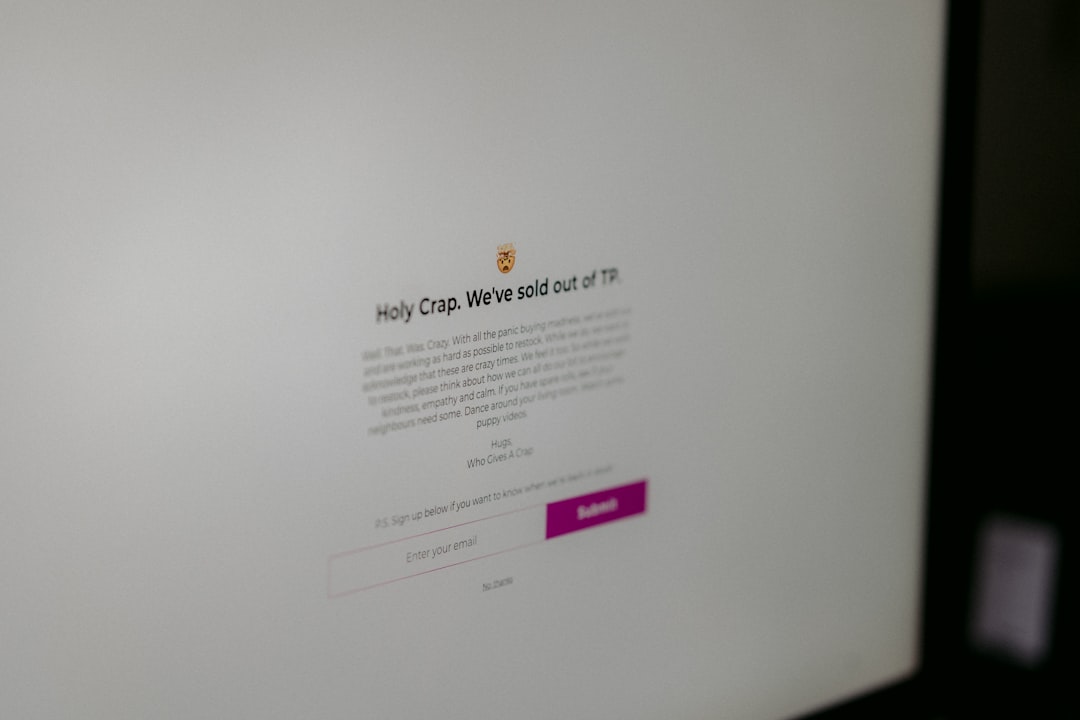
Clickbait headlines have long lost their charm. In 2025, users are acutely aware of overhyped promises that don’t deliver. Headlines such as “This One Secret Will Change Your Life Forever!” are likely to backfire, hurting brand trust and increasing bounce rates.
How to Avoid It:
- Make sure your content fully supports and delivers on the headline’s promise.
- Be honest in what you’re offering—value-driven headlines build trust.
- Incorporate authenticity instead of manipulation.
A good litmus test: If you saw your headline on another site, would you trust it or ignore it?
3. Mistake: Ignoring SEO Principles
While creativity is key, writing headlines that completely ignore SEO best practices is a glaring mistake in today’s search-driven landscape. A wonderfully creative headline won’t do much if no one can find it.
How to Avoid It:
- Incorporate relevant, high-volume keywords naturally within your headline.
- Position the keyword towards the beginning when possible.
- Include long-tail keyword variations for added depth.
Example: Instead of “How to Make It in the Freelance World,” try “How to Start a Freelance Writing Career in 2025 (Step-by-Step Guide).”
4. Mistake: Failing to Understand Your Audience
One-size-fits-all doesn’t work for headline writing. A failure to tailor your message to your niche or audience demographic often results in bland or misaligned headlines. Misalignment decreases engagement and signals a disconnect between the headline and the reader’s needs.
How to Avoid It:
- Use language and tone relevant to your target audience.
- Reference pain points or aspirations your readers care about.
- Conduct A/B headline tests to gather data on what works.

Real-world thought: A headline targeting Gen Z professionals should sound very different from one meant for retiring baby boomers.
5. Mistake: Trying Too Hard to Be Clever
While wit and wordplay have their place, attempting to be *too* clever often leads to confusion. If your audience doesn’t immediately get what you’re trying to convey, they’ll scroll right past.
How to Avoid It:
- Prioritize clarity over cleverness.
- Focus on the message first; then refine the wording for tone or style.
- Aim for a “clever twist on clarity” rather than being obscure.
Better Approach: A headline like “Deadline-Hacker: 5 Strange Productivity Tricks That Actually Work in 2025” keeps things fun without losing meaning.
6. Mistake: Not Testing or Analyzing Performance
Even great headlines can flop if not tested. Many creators miss out by assuming their first headline is the best version. Failure to analyze performance leaves potential clicks and conversions on the table.
How to Avoid It:
- Use tools like CoSchedule Headline Analyzer or Sharethrough to test variations.
- Track click-through rates (CTR) and time-on-page data to evaluate headline effectiveness.
- Don’t be afraid to tweak your headline post-publication based on performance.
Pro Tip: Keep an archive of headline tests to learn what consistently works for your audience and niche.
7. Mistake: Using Passive or Weak Verbs
Weak verbs diminish urgency and clarity in your headline. Phrases like “Things to Be Considered for Success” sound dry and lack impact. Strong verbs convey action, emotion, and value.
How to Avoid It:
- Use active voice and action verbs whenever possible.
- Begin headlines with verbs when appropriate to spark energy.
- Eliminate empty phrases like “Things to Know” or “What to Consider.”
Effective Revision: Change “Understanding Why Marketing Plans Fail” to “Discover Why Most Marketing Plans Fail—and How to Fix Yours.”
8. Mistake: Ignoring Emotional Triggers
Headlines that lack emotional resonance often miss their mark. Whether your goal is to inspire, challenge, or alarm, successful headlines tap into an emotional or psychological driver.
How to Avoid It:
- Incorporate urgency, curiosity, fear of missing out (FOMO), or inspiration sparingly but effectively.
- Avoid overly emotional manipulation, which can harm credibility.
- Ask: What do I want the reader to feel and act on?

Example: “Are You Making These Fatal Productivity Mistakes in 2025?” triggers fear and curiosity, pushing readers to learn more.
Conclusion: Great Headlines Begin with Awareness
By steering clear of these common headline-writing mistakes, you gain a competitive edge in a noisy digital environment. Strong headlines aren’t just about clickability—they’re about clarity, alignment, credibility, and connection.
As digital competition grows fiercer in 2025, honing your headline techniques is imperative. Keep testing, keep refining, and most of all, keep your readers in mind with every word you write at the top of your article.
Final Thought: Great content deserves a great introduction—and your headline is the bold handshake that makes it all possible.