
Influencer marketing has evolved from a trendy experiment into a core component of modern digital strategy. Brands now collaborate with creators across Instagram, YouTube, TikTok, LinkedIn, and emerging platforms to drive awareness, conversions, and long-term loyalty. But as campaigns grow more complex—often involving dozens of influencers, multiple deliverables, performance tracking links, legal contracts, and payments—managing these partnerships manually becomes inefficient and risky. That’s where influencer marketing tools step in, transforming chaotic collaboration into streamlined, data-driven execution.
TLDR: Influencer marketing tools help brands discover creators, manage communication, track campaign performance, handle contracts, and measure ROI—all in one place. They eliminate spreadsheets and scattered emails, replacing them with organized dashboards and analytics. The best platforms offer influencer discovery, reporting, workflow automation, and payment management. Choosing the right tool depends on your budget, team size, and campaign goals.
In this article, we’ll explore the most effective types of influencer marketing tools for managing brand collaborations, highlight leading platforms, and provide a comparison chart to help you make an informed decision.
Why Influencer Marketing Tools Are Essential
Managing a single influencer might be simple. Managing 20 or more across different markets? That’s a different story. Without proper tools, brands often struggle with:
- Tracking deliverables and deadlines
- Ensuring brand guideline compliance
- Calculating ROI accurately
- Handling contracts and usage rights
- Consolidating campaign data across platforms
Influencer marketing software centralizes these processes into one intuitive dashboard. Instead of juggling spreadsheets, email threads, and social analytics tools, marketing teams can monitor everything from a single interface.

These tools generally fall into four main categories: Discovery Platforms, Campaign Management Systems, Analytics Tools, and Affiliate Tracking Platforms. Many modern solutions combine all four into an all-in-one ecosystem.
1. Influencer Discovery Platforms
Finding the right influencer is the foundation of successful collaboration. Discovery platforms help brands identify creators based on audience demographics, engagement rates, niche, location, language, and historical performance data.
Key Features:
- Advanced search filters (industry, audience age, country)
- Engagement rate analysis
- Fake follower detection
- Audience authenticity scoring
- Contact information access
Popular Discovery Tools:
- Upfluence – Offers influencer search plus CRM functionality.
- Modash – Strong analytics and audience data transparency.
- Traackr – Enterprise-level influencer relationship management.
- HypeAuditor – Advanced audience credibility checks.
These tools save hours of manual research while reducing the risk of partnering with influencers who have inflated or fake engagement.
2. Campaign Management and Collaboration Tools
Once influencers are selected, coordination becomes critical. Campaign management tools streamline onboarding, content approvals, revisions, and performance tracking.

Core Capabilities:
- Automated outreach and email templates
- In-app messaging
- Contract management
- Content approval workflows
- Deliverable tracking timelines
- Payment processing
Leading Tools in This Category:
- Aspire (formerly AspireIQ) – End-to-end influencer lifecycle management.
- Grin – Strong eCommerce integrations for direct sales tracking.
- CreatorIQ – Enterprise-level analytics and brand safety tools.
- Impact.com – Combines influencer marketing with affiliate management.
These platforms often function as a dedicated influencer CRM, helping brands build long-term relationships rather than one-off campaigns.
3. Analytics and Reporting Tools
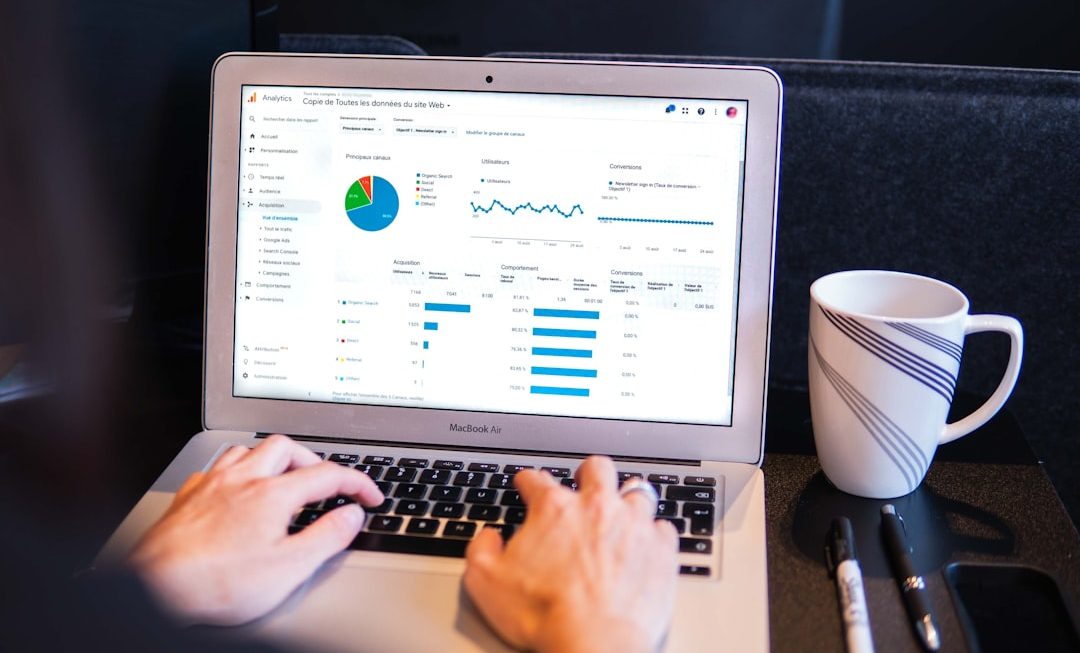
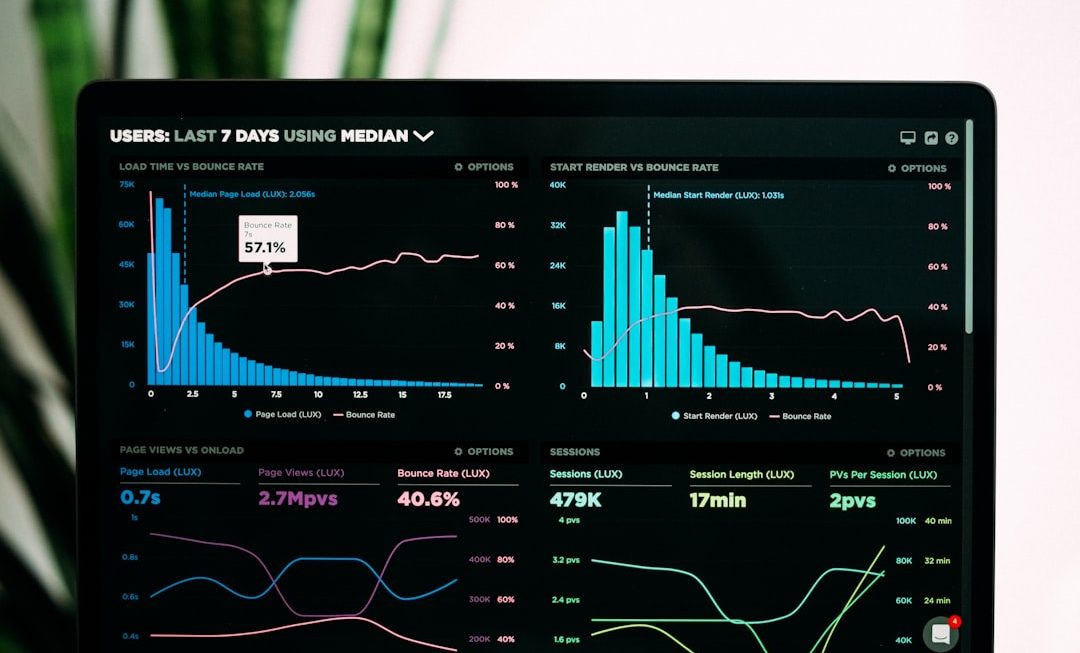
Data is the heart of influencer marketing ROI. Analytics tools measure engagement, impressions, conversions, click-through rates, earned media value (EMV), and audience growth.
Without reliable reporting, campaigns become guesswork. Modern influencer tools provide real-time dashboards and automated reporting exports for stakeholders.
What to Look For:
- UTM tracking integration
- Conversion tracking
- Sales attribution
- Customizable reporting dashboards
- Competitor benchmarking
Some brands integrate influencer data with Google Analytics or Shopify dashboards to directly tie creator efforts to revenue outcomes. Advanced tools even predict potential reach and ROI before launching a campaign.
4. Affiliate and Performance-Based Tools
Performance-based collaborations are rising in popularity. Instead of paying solely upfront fees, brands provide creators with commission-based earnings via unique tracking links or promo codes.

Key Features:
- Unique referral link generation
- Promo code tracking
- Commission automation
- Fraud detection
- Payout management
Tools like Refersion, Impact.com, and PartnerStack bridge influencer marketing and affiliate performance marketing into one scalable system.
Comparison Chart: Top Influencer Marketing Tools
| Tool | Best For | Key Strength | Enterprise Ready? | Affiliate Integration |
|---|---|---|---|---|
| Upfluence | Mid to large brands | Discovery + CRM | Yes | Limited |
| Grin | eCommerce brands | Shopify integration | Yes | Yes |
| Aspire | DTC brands | Workflow automation | Yes | Partial |
| CreatorIQ | Global enterprises | Advanced analytics | Yes | No |
| HypeAuditor | Fraud detection focus | Audience authenticity | Yes | No |
| Impact.com | Performance marketing | Affiliate + influencer hybrid | Yes | Strong |
How to Choose the Right Influencer Marketing Tool
Not every brand needs enterprise-level software. Your ideal tool depends on:
1. Campaign Volume
If you manage only a few collaborations per quarter, a lighter CRM or affiliate tool might suffice. Large-scale global campaigns demand automation and AI-driven insights.
2. Budget
Influencer platforms can range from a few hundred dollars per month to enterprise contracts costing thousands. Calculate expected ROI before committing.
3. Integration Needs
Look for integrations with:
- Shopify or WooCommerce
- CRM systems like Salesforce
- Email marketing tools
- Google Analytics
- Social media ad accounts
4. Reporting Requirements
If executive leadership requires detailed ROI breakdowns, choose a platform with customizable reporting dashboards and export functionality.
Benefits of Centralized Collaboration Management
Implementing the right influencer marketing platform offers measurable advantages:
- Time Efficiency: Automation reduces email back-and-forth and manual follow-ups.
- Brand Consistency: Clear content approval systems protect guidelines.
- Transparency: Contracts, payments, and deliverables are documented.
- Improved ROI Tracking: Real data informs future campaigns.
- Scalability: Campaigns can expand without proportional increases in team workload.
Perhaps most importantly, these tools allow marketing teams to transition from reactive management to proactive strategy optimization.
Emerging Trends in Influencer Marketing Tools
The influencer technology landscape continues to evolve rapidly. Some key emerging trends include:
- AI-Powered Creator Matching: Algorithms predict partnership success likelihood.
- Predictive Performance Modeling: Estimate conversions before campaigns launch.
- Cross-Platform Attribution: Unified tracking across TikTok, Instagram, YouTube, and podcasts.
- Influencer Whitelisting Tools: Allow brands to run paid ads through creator accounts.
- Automated Contract Generation: Pre-filled agreements with built-in compliance clauses.
As data privacy laws evolve, tools are increasingly focusing on first-party data integration and transparent consent management.
Common Mistakes Brands Make When Using Influencer Tools
While platforms are powerful, misuse can reduce effectiveness. Beware of:
- Focusing only on follower count instead of engagement quality
- Ignoring audience demographic alignment
- Failing to track conversion data
- Over-automating communication and losing authenticity
- Neglecting long-term relationship building
Technology should enhance relationship management—not replace genuine connection.
Final Thoughts
Influencer marketing is no longer just about sending free products and hoping for exposure. It’s a structured, measurable discipline requiring strategic oversight, operational efficiency, and performance tracking. The right influencer marketing tools transform collaboration from scattered logistics into streamlined campaign orchestration.
Whether you’re a growing eCommerce brand partnering with micro-influencers or an enterprise coordinating global ambassador programs, investing in a specialized system can dramatically improve campaign organization and return on investment.
In a digital world driven by creators, communities, and authentic recommendations, properly managed brand collaborations aren’t optional—they’re essential. And with the right tools in place, brands can scale influence with precision, confidence, and measurable impact.