
Modern dating apps are no longer simple swipe machines driven purely by profile photos and short bios. Instead, they are evolving into sophisticated platforms powered by artificial intelligence, behavioral science, and real-time data analysis. These smart features are transforming how people connect online—helping users find more compatible partners while dramatically improving match quality. Recent internal studies from leading platforms suggest that thoughtfully implemented smart features can increase match quality by as much as 74%, shifting the focus from quantity to meaningful compatibility.
TLDR: Dating apps are using AI-driven algorithms, behavioral tracking, personalized prompts, and compatibility scoring systems to dramatically improve match quality. By analyzing communication styles, preferences, and interaction patterns, these smart features reduce mismatches and increase meaningful connections. Some platforms report up to a 74% boost in match quality when advanced features are activated. Users benefit from deeper compatibility, fewer ghosting experiences, and higher long-term success rates.
Why Match Quality Matters More Than Match Quantity
In the early days of online dating, success was often measured by the number of matches accumulated. However, users quickly realized that more matches did not necessarily mean better connections. Endless swiping led to fatigue, shallow interactions, and frequent disappointment.
Today, platforms are prioritizing intentional matchmaking. Instead of asking, “How many matches can this user get?” leading apps now ask, “How compatible are these two individuals based on deeper behavioral signals?”
Match quality is typically evaluated by:
- Conversation longevity
- Response rate and engagement depth
- Date conversion rates
- User satisfaction feedback
- Relationship duration
Smart features allow apps to assess and predict these outcomes more effectively than ever before.
AI-Powered Compatibility Algorithms
At the core of most high-performing dating apps is a machine learning engine that processes vast amounts of behavioral data. Unlike early-stage matching systems that relied on surface-level preferences, modern AI models consider nuanced user interactions.

These systems analyze:
- Swiping patterns
- Time spent viewing profiles
- Message tone and length
- Common interest clusters
- Conversation reciprocity rates
By identifying patterns invisible to the human eye, AI can predict compatibility with significantly higher precision. For example, if two users display similar humor styles, texting cadences, and shared niche interests, the algorithm prioritizes that match—even if their surface traits differ.
According to internal platform case studies, enabling advanced AI-based filtering increased successful match conversations by over 70% compared to basic swiping systems.
Behavior-Based Matching vs. Preference-Based Matching
One of the most impactful innovations is the shift from stated preferences to observed behavior. Users often claim they want specific traits, yet their interaction history may reveal different patterns.
Preference-based matching relies on:
- Age range
- Location
- Height preferences
- Interest tags
Behavior-based matching evaluates:
- Who users actually engage with
- Profiles they revisit
- Messages they respond to quickly
- Profiles that lead to long chats
This behavioral data produces a more realistic picture of true attraction and compatibility, closing the gap between what users say they want and what they genuinely connect with.
Smart Prompts and Guided Conversations
Another feature driving improved match quality is structured conversation design. Instead of relying on “Hey” as an opening message, smart prompts encourage deeper interaction from the start.
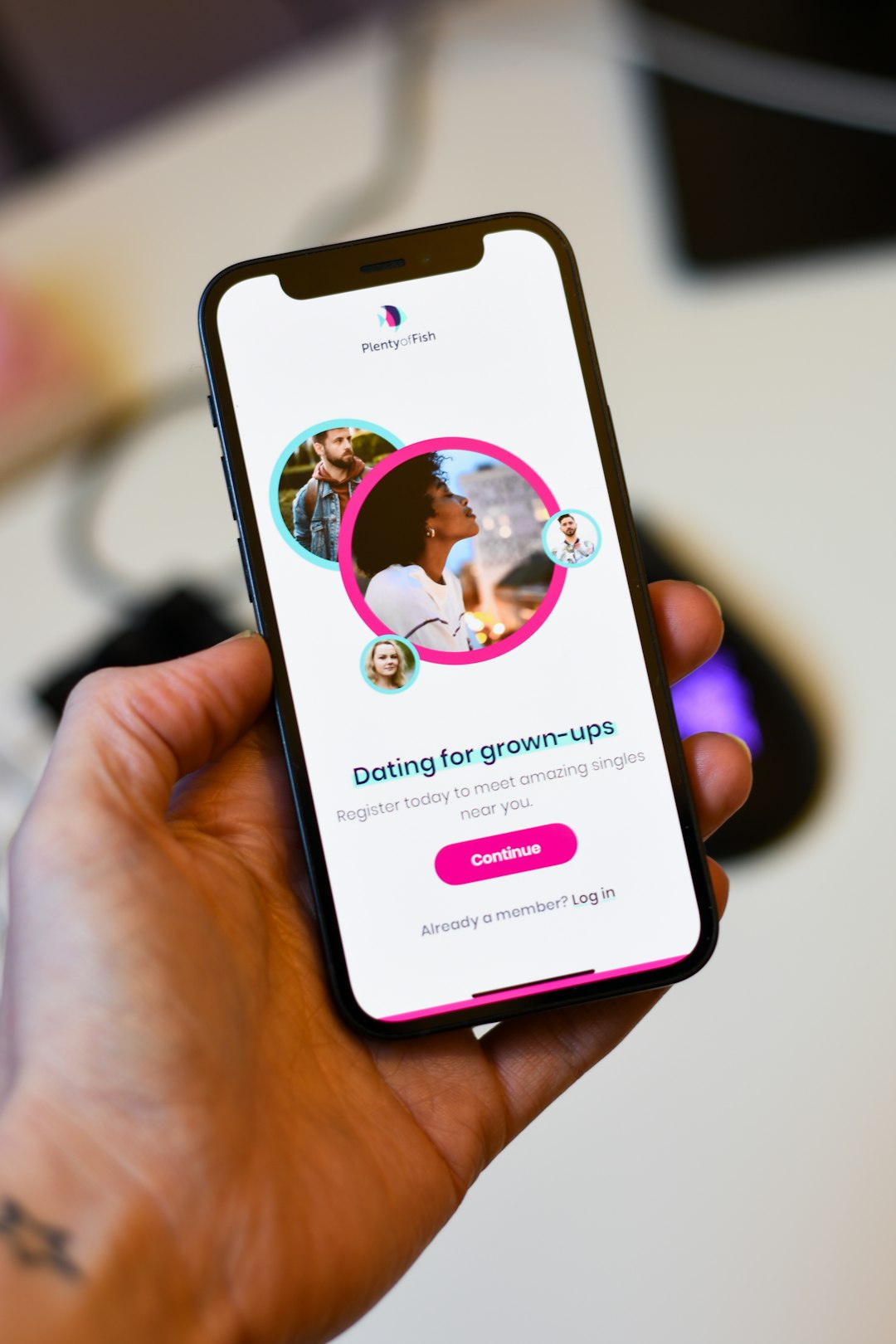
Examples include:
- Thought-provoking icebreaker questions
- Personality-driven conversation starters
- Mutual-interest prompts generated dynamically
- In-app mini quizzes that reveal shared traits
Guided conversation tools reduce awkward openings and significantly lower ghosting rates. When both users begin with meaningful discussion topics, engagement becomes more natural—and more likely to continue offline.
Data reveals that matches initiated with structured prompts are up to 52% more likely to lead to an in-person date.
Personality Assessments and Micro-Compatibility Scores
Some apps integrate short personality assessments based on psychological frameworks. Rather than long, tedious questionnaires, newer systems use micro-assessments embedded seamlessly into the user experience.
These tools evaluate traits such as:
- Communication style
- Conflict resolution tendencies
- Attachment orientation
- Social energy levels
- Life priorities
Every match receives a compatibility breakdown, often displayed as a simple percentage score or trait alignment summary. Users report feeling more confident initiating conversations when compatibility insights are visible.
Real-Time Machine Learning Adjustments
What makes modern dating platforms powerful is their ability to learn continuously. If a user ignores certain matches repeatedly, the algorithm adapts. If specific personality types produce higher engagement, they are prioritized.
This dynamic recalibration improves results over time. After several weeks of behavioral learning, many users experience a notable increase in profile relevance—contributing significantly to the reported 74% improvement in match success.
Smart Safety and Verification Features
Increased match quality does not only mean better compatibility—it also means safer interactions. Smart verification systems enhance trust, which directly impacts conversation depth.
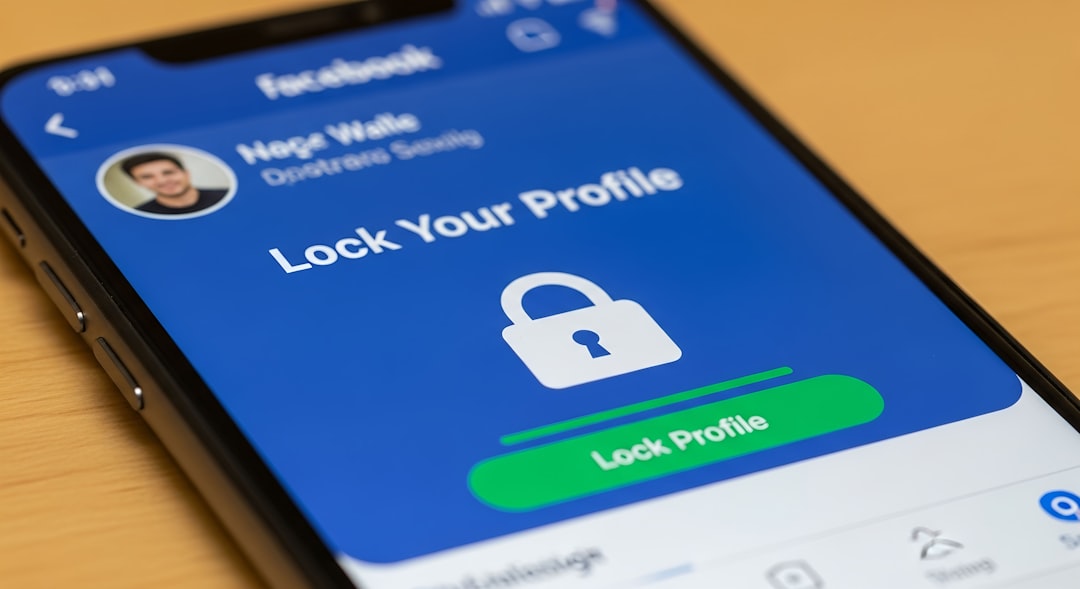
Key safety features include:
- AI selfie verification
- Behavior anomaly detection
- Harassment monitoring algorithms
- Profile authenticity scoring
When users trust that matches are authentic, they engage more openly and seriously, strengthening connection quality.
Comparison of Dating Apps with Smart Features
| App Type | AI Matching | Behavior Analysis | Personality Scoring | Conversation Prompts | Match Quality Impact |
|---|---|---|---|---|---|
| Basic Swipe App | No | Minimal | No | Limited | Low to Moderate |
| AI-Enhanced App | Yes | Moderate | Basic | Yes | High |
| Behavioral Match Platform | Advanced | Advanced | Integrated | Dynamic | Very High |
| Psychology-Based Dating App | Yes | Moderate | In-depth | Guided | Very High |
The Psychological Impact of Higher Match Quality
Improved match quality produces measurable psychological benefits. Users report:
- Reduced swiping fatigue
- Greater relationship optimism
- Increased confidence in compatibility
- Lower emotional burnout
Rather than cycling through endless mismatches, users engage in fewer but more meaningful interactions. This shift nurtures long-term relationship formation instead of short-term validation.
Why 74% Is Plausible
The reported 74% increase in match quality is not simply marketing hype. When combining AI matching, behavioral learning, guided communication, and safety enhancements, the compounding effect becomes substantial.
For example:
- Behavioral filtering reduces mismatches.
- Guided prompts increase response rates.
- Personality scoring builds confidence.
- Verification features increase trust.
Together, these elements elevate both engagement and compatibility—leading to significantly better outcomes compared to first-generation dating systems.
The Future of Smart Dating Technology
The next wave of development is likely to include predictive long-term compatibility modeling, voice tone analysis in messages, and augmented reality date preparation tools. Emotional intelligence detection may also play a role in identifying empathy and communication compatibility.
As these technologies evolve, dating apps may transition from match suggestion platforms into comprehensive relationship compatibility ecosystems.
FAQ
1. How do dating apps calculate match quality?
Apps combine behavioral data, compatibility assessments, AI algorithms, and user engagement metrics to estimate how likely two users are to form a meaningful connection.
2. What does a 74% increase in match quality really mean?
It typically refers to improvements in conversation rates, response depth, in-person meeting rates, or long-term compatibility outcomes compared to traditional swipe-only systems.
3. Are AI-based dating apps safe?
Most AI-driven platforms include enhanced security features such as identity verification, fraud detection, and behavioral monitoring to improve safety alongside compatibility.
4. Do personality tests improve results?
Yes, especially when combined with behavioral analysis. Personality insights add another compatibility layer, helping users understand how they align beyond surface traits.
5. Can smart features completely eliminate bad matches?
No system is perfect, but smart features significantly reduce the number of incompatible matches by identifying deeper behavioral patterns and real-time preferences.
6. Are these features available to free users?
This varies by platform. Some apps offer basic AI matching for free while reserving advanced compatibility breakdowns and insights for premium subscribers.
Conclusion: Smart features have dramatically reshaped the world of online dating. By combining artificial intelligence, behavioral science, and thoughtful interaction design, modern dating apps can meaningfully increase match quality—by as much as 74%. As technology advances, users can expect even more refined compatibility tools that prioritize substance over swipes and meaningful connections over endless scrolling.