

Website owners are increasingly rethinking how they collect and analyze visitor data. With stricter privacy regulations, browser restrictions, and growing public awareness around digital tracking, traditional analytics platforms are no longer the default choice for everyone. Privacy-focused analytics tools have emerged as powerful alternatives, offering valuable insights without invasive data collection practices.
TL;DR: Privacy-first analytics tools provide website metrics without invasive tracking, cookies, or personal data harvesting. Platforms like Fathom, Simple Analytics, Matomo, Umami, and Pirsch offer lightweight, compliant alternatives to traditional analytics solutions. They prioritize transparency, GDPR compliance, and speed while still delivering actionable insights. Choosing the right tool depends on technical requirements, budget, and preferred hosting setup.
Tools similar to Plausible emphasize simplicity, transparency, and compliance with regulations such as GDPR and CCPA. They avoid personal data tracking, often eliminate cookies entirely, and offer clean dashboards that focus on meaningful metrics rather than overwhelming charts. Below are five privacy-focused analytics tools that stand out in today’s landscape.
1. Fathom Analytics
Fathom Analytics is one of the most well-known privacy-centric analytics tools. Built with compliance and simplicity in mind, it eliminates cookie banners while still providing useful website insights.

Key features include:
- Cookie-free tracking
- GDPR, CCPA, and PECR compliance
- Lightweight tracking script for fast page loads
- Simple, user-friendly dashboard
- Email reports and event tracking
Fathom avoids collecting personal data and does not track visitors across websites. Instead, it focuses on aggregate data such as page views, referrers, and top content. Its interface is clean and straightforward, making it ideal for marketers and business owners who want clarity without complexity.
Best for: Businesses seeking a ready-to-use, fully hosted solution with minimal setup.
2. Simple Analytics
As its name suggests, Simple Analytics strips away unnecessary complexity and puts essential website metrics front and center. It is designed specifically for organizations that care deeply about user privacy.
Highlights:
- No cookies or fingerprinting
- 100% GDPR compliant
- Clean, easy-to-read dashboard
- Open startup culture and transparency
- Events and goals tracking
Unlike traditional analytics platforms, Simple Analytics does not store IP addresses or use invasive tracking techniques. It focuses on metrics like page views, referrers, device types, and top pages. The interface shows data in a straightforward timeline, making it easy to understand performance at a glance.
One notable feature is its automatic event tracking, which captures interactions such as downloads and outbound link clicks without additional configuration.
Best for: Startups, SaaS companies, and privacy-conscious entrepreneurs who value transparency and simplicity.
3. Matomo
Matomo offers a powerful and flexible analytics solution that can be deployed in the cloud or self-hosted on your own server. While it provides more advanced features than Plausible or similar tools, it can be configured to meet strict privacy standards.

Core features:
- Self-hosted and cloud options
- Full data ownership
- Advanced reporting and segmentation
- Heatmaps and session recordings (optional)
- Consent management tools
Matomo stands out because it allows organizations to maintain complete control over their data. When self-hosted, no data leaves the company’s infrastructure. It also provides anonymization features, including IP masking and configurable data retention policies.
However, Matomo’s broader capabilities mean it may require more setup and maintenance compared to lightweight privacy-first alternatives.
Best for: Enterprises, government institutions, and organizations that require advanced analytics and full data control.
4. Umami
Umami is an open-source analytics platform that emphasizes simplicity, speed, and privacy. It has grown in popularity among developers who prefer lightweight, customizable tools.
Main characteristics:
- Open-source software
- Self-hosted or hosted cloud version
- Simple and modern dashboard
- Custom event tracking
- No cookies by default
Because Umami is open-source, it allows complete transparency into how data is handled. Developers can deploy it on their own servers, ensuring full data ownership. The interface resembles Plausible’s minimal approach, focusing on key metrics like visitors, page views, and referral sources.
Umami is particularly appealing for technically proficient teams who want customization without heavy financial investment.
Best for: Developers and tech-savvy businesses seeking an open-source Plausible alternative.
5. Pirsch Analytics
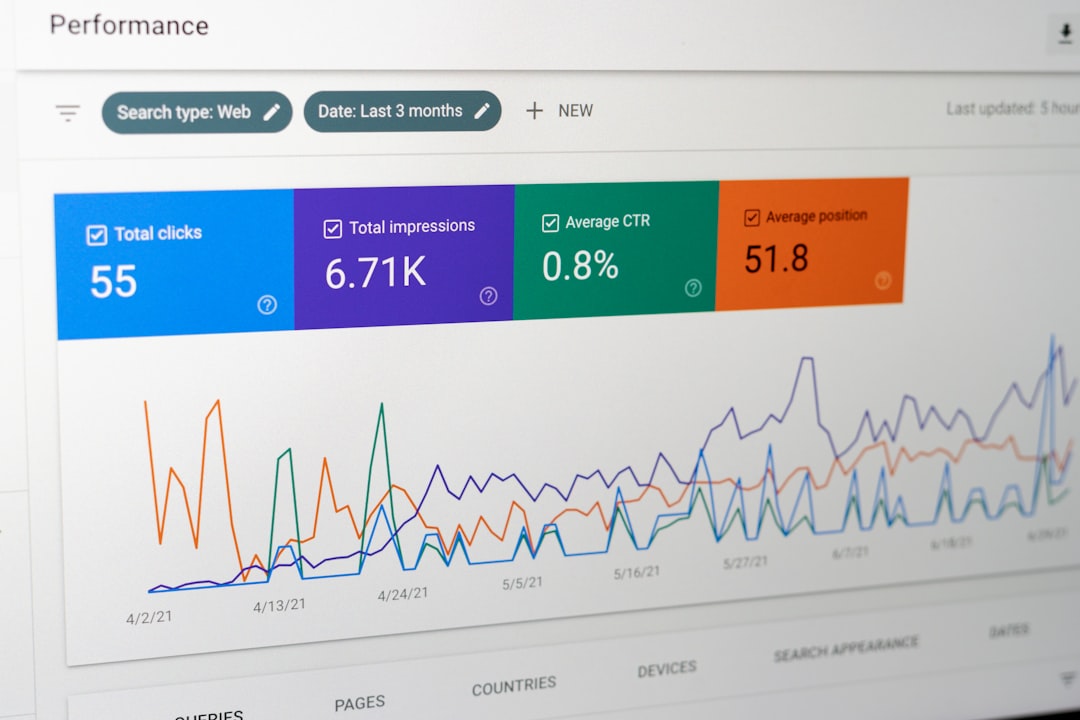
Pirsch Analytics combines privacy compliance with a polished user experience. It offers a modern design along with powerful yet respectful data collection mechanisms.
Notable features:
- Cookieless tracking
- Privacy by design architecture
- Goal and campaign tracking
- Easy integration with frameworks
- API access for developers
Pirsch works without cookies and avoids storing personal information. It provides detailed yet anonymized insights into website performance, including referrer data and campaign tracking. Its developer-friendly API makes integration into modern applications seamless.
Best for: Businesses wanting a modern dashboard with flexible integration options.
Comparison Chart
| Tool | Hosting Options | Open Source | Cookieless | Best For |
|---|---|---|---|---|
| Fathom Analytics | Cloud | No | Yes | Businesses wanting plug-and-play simplicity |
| Simple Analytics | Cloud | No | Yes | Privacy-first startups and SaaS |
| Matomo | Cloud & Self-hosted | Yes | Configurable | Enterprises needing full data control |
| Umami | Self-hosted & Cloud | Yes | Yes | Developers and technical teams |
| Pirsch | Cloud | No | Yes | Modern businesses with integration needs |
Why Choose Privacy-Focused Analytics?
Privacy-first analytics tools solve several common problems:
- Regulatory compliance: Easier adherence to GDPR, CCPA, and other privacy laws.
- Improved performance: Lightweight scripts reduce page load times.
- User trust: Visitors feel more comfortable knowing their data isn’t being tracked invasively.
- Simplified reporting: Focus on actionable insights instead of overwhelming datasets.
Additionally, many modern browsers restrict third-party cookies and fingerprinting techniques. Privacy-focused tools avoid these pitfalls by relying on anonymized, aggregate data.
For many websites, detailed user-level tracking is unnecessary. Instead, understanding traffic sources, popular content, device types, and goal completion rates is more than sufficient for making informed business decisions.
Key Factors to Consider
Before selecting a privacy-oriented analytics tool, organizations should assess:
- Hosting preferences: Cloud-based convenience vs. self-hosted control.
- Technical expertise: Some platforms require development knowledge.
- Feature requirements: Basic visitor stats vs. advanced segmentation.
- Budget: Open-source tools may reduce licensing costs but increase maintenance time.
- Compliance needs: Industries with strict regulations may require more robust configurations.
Ultimately, the right choice depends on balancing simplicity, compliance, data ownership, and scalability.
Frequently Asked Questions (FAQ)
1. Are privacy-focused analytics tools completely anonymous?
Most privacy-first tools anonymize data and avoid collecting personally identifiable information. While they still gather aggregate metrics such as page views and referrers, they typically do not track individual users across sessions or websites.
2. Do these tools require cookie consent banners?
Many cookieless analytics platforms do not require cookie consent banners under GDPR because they do not store personal data. However, organizations should always verify compliance based on their specific implementation and legal advice.
3. Can privacy-focused analytics replace traditional analytics entirely?
For many businesses, yes. If the goal is to understand traffic trends, popular pages, referrals, and campaign performance, these tools are more than sufficient. However, organizations that depend on deep behavioral analysis or advertising integrations may still require more complex solutions.
4. Is self-hosting more secure?
Self-hosting provides greater data ownership and control but also requires proper security management and server maintenance. Cloud-hosted solutions shift that responsibility to the service provider.
5. Are these tools suitable for eCommerce websites?
Yes, many privacy-focused analytics tools support goal tracking and conversion monitoring. However, highly complex eCommerce operations may need to verify that advanced sales funnel tracking features are available.
6. How difficult is migration from another analytics tool?
Most privacy-focused platforms provide simple tracking scripts that can be installed within minutes. While historical data cannot always be imported, implementation is generally straightforward.
As digital privacy expectations continue to evolve, website owners increasingly recognize the value of ethical data practices. Tools like Fathom, Simple Analytics, Matomo, Umami, and Pirsch demonstrate that powerful website metrics do not require intrusive tracking. By choosing a privacy-focused analytics solution, organizations can gain meaningful insights while respecting user trust and regulatory boundaries.