
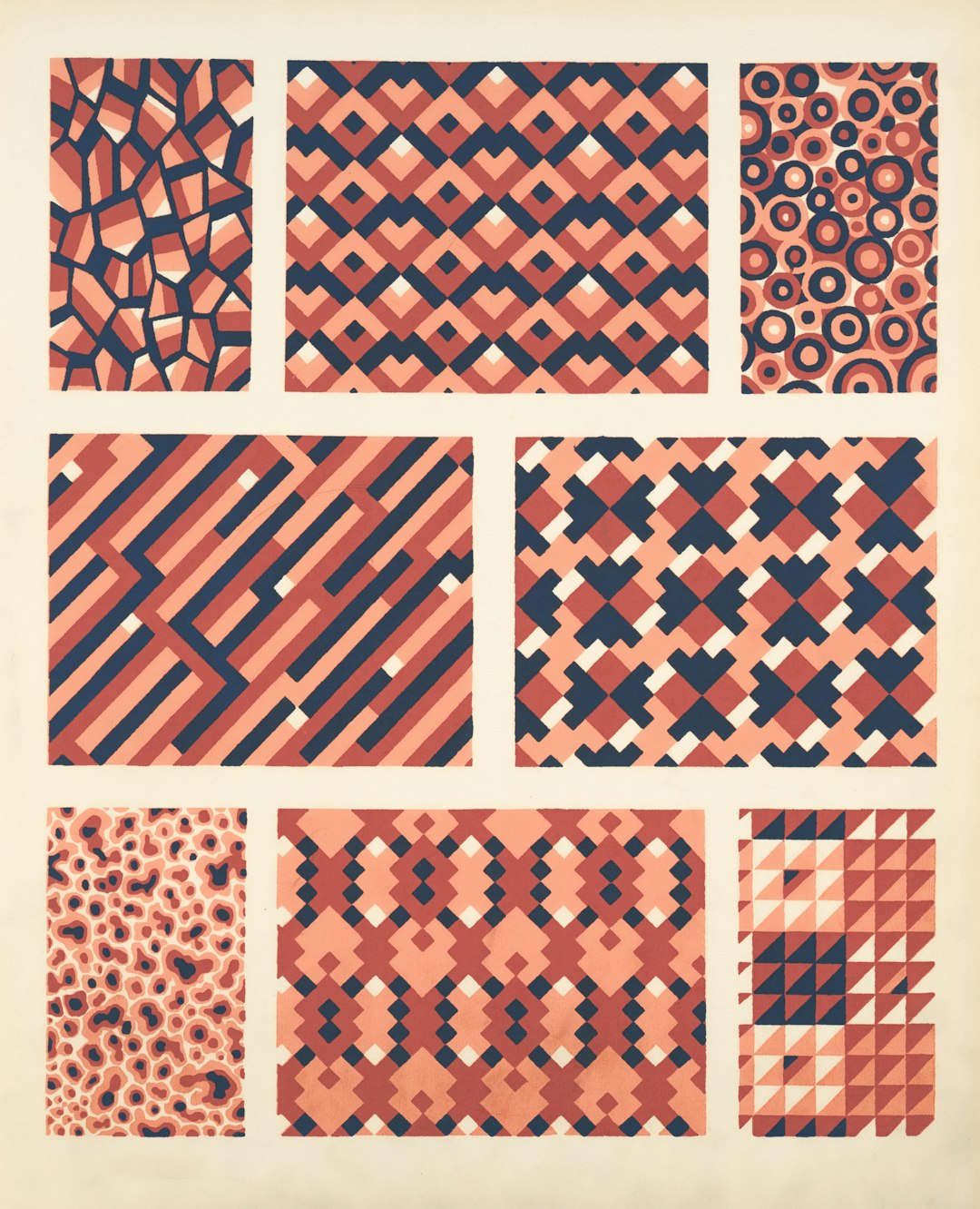
In recent years, quilting has undergone a quiet yet powerful transformation. What was once an entirely manual and tactile craft is now being infused with cutting-edge digital tools. Among these, generative artificial intelligence is emerging as a force reshaping how quilts are imagined, conceptualized, and even constructed. By blending tradition with technology, AI is expanding the creative horizon for quilters of all skill levels.
TL;DR
Generative AI is revolutionizing the world of modern quilting by assisting in design, color selection, and even stitching patterns. This technology allows quilters to explore endless possibilities, streamline their workflows, and preserve traditional patterns with modern twists. Artists and hobbyists alike are embracing AI to bridge creativity with technology. Despite some skepticism, AI is proving to be a valuable ally in the quilting community.
The Traditional Art of Quilting Meets Modern Algorithms
Quilting has long been a storytelling form—used historically to pass down narratives, heritage, and artistic expression through fabrics and stitches. Designs were often inspired by nature, family, or cultural symbols, and quilters typically relied on sketchbooks, intuition, and practice to create their works. But now, as digital tools become more accessible, quilters are beginning to rely on generative AI platforms to help bring their visions to life with unprecedented creativity and efficiency.
What Is Generative AI and How Does It Apply to Quilting?
Generative AI refers to algorithms—often based on machine learning models like Generative Adversarial Networks (GANs)—capable of producing original content such as images, text, or patterns. When applied to quilting, these tools can:
- Generate unique quilt patterns based on style prompts or historical references.
- Suggest new color combinations using color theory and trend data.
- Convert hand-drawn sketches into digital files that can be edited, shared, or sent to computerized longarm quilting machines.
- Preserve and replicate traditional patterns from photos or archives using deep learning technologies.
This type of AI bridges the gap between imaginative design and practical execution, relieving craftspersons from repetitive tasks while unlocking new design potentials.
Creative Freedom with AI-Assisted Design
AI tools are helping quilters break free from design limitations. Instead of relying exclusively on physical templates or buying pre-made designs, artists can now generate dozens of potential layouts in minutes just by entering a few descriptive prompts—such as “autumn forest theme, modern geometric shapes, earth tones.” The resulting images can serve as mockups or as the very blueprints for the fabric cutting and piecing process.
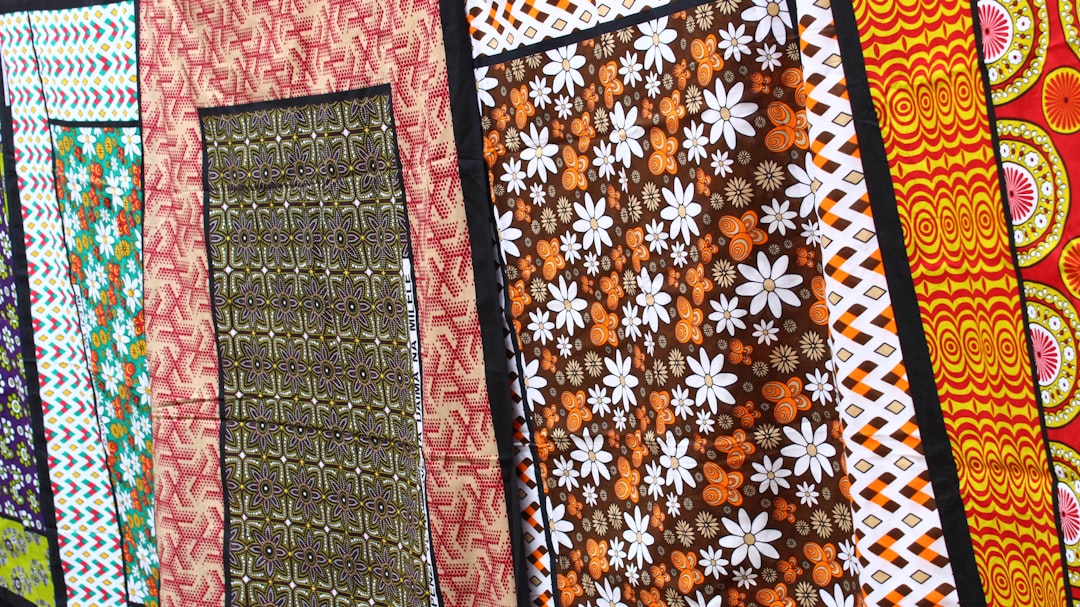
Some platforms even allow iteration—where the user refines generated outputs step by step—to arrive at a final design that truly reflects their vision. This hands-on guidance lets the artist retain creative control while using AI to explore variations they might not have considered on their own.
The Tools Behind the Transformation
Several powerful digital tools are now accessible even to amateur quilters. Here are a few leading examples:
- Adobe Firefly: Enables quilters to create stylized visuals based on natural language prompts, useful for building initial pattern ideas.
- DALL·E and Midjourney: Image-generation tools that quilters use to get artistic renderings of pattern compositions before beginning the sewing process.
- EQ8 (Electric Quilt 8): Though not pure AI, it integrates with generative tools to assist in laying out complex block patterns and experimenting with different textile swatches digitally.
- StitchSketch or EmbroiderMe: AI-aided apps that convert hand-drawn images into design files ready for embroidery or stitching machines.
These platforms are built to accommodate a wide range of artistic visions, from folk art to avant-garde, helping to democratize quilting design no matter the user’s technical experience.
Expanding the Artistic Language of Quilting
For many quilters, especially those working in contemporary or art quilting spaces, generative AI is more than just a tool—it’s a form of collaboration. In blending human creativity with algorithmic suggestions, AI acts almost like a co-designer. It can take inspiration from unexpected sources—internal data models trained on abstract art or textile patterns from different cultures—and use them to create novel compositions.
This blending of sources fosters a kind of global fusion aesthetic that honors multiple traditions while pushing the boundaries of pattern and color.
Preserving Cultural Heritage Through AI Reconstruction
Historical quilt patterns, especially those from marginalized or oral traditions, risk being lost over time. AI can help preserve these designs by analyzing photographs, museum catalogs, or incomplete scraps. Through image recognition and pattern learning, machines can reconstruct missing portions or reimagine what unfinished quilts might have looked like.
For example, a historical quilt block from the antebellum South or a Hawaiian appliqué design could be scanned and then digitally restored or extended by AI. This not only enriches current projects but also ensures continuity between modern quilters and their ancestors.
Challenges and Ethical Considerations
Despite its advantages, AI adoption in quilting is not without concerns. Some traditionalists view AI as a threat to the handcrafted ethos of quilting. Others fear the homogenization of styles if too many people rely on similar algorithms or pre-trained datasets.
There are also concerns over intellectual property. For example, if a generative model was trained on thousands of public quilt images, what happens if it unintentionally reproduces a recognizable pattern? Who owns the resulting design—the algorithm, the dataset contributors, or the user?
To address these challenges, ethical frameworks are being proposed around transparency, credit attribution, and dataset sourcing. Quilting communities are also experimenting with hybrid approaches—where AI is used for suggestions, but final designs always receive the artist’s unique touch.
The Future of AI in Quilting
The role of AI in quilting is likely to expand as models become smarter and more tailored to textile applications. We may soon see AI systems that account for fabric physics, stitch strength, or even thread color contrast specifically optimized for quilting machine output.
Some possible future capabilities include:
- Real-time pattern adjustment based on fabric thickness or stretch.
- Voice-guided AI assistants that provide step-by-step guidance during the sewing process.
- AR-based quilt previews that let users visualize finished pieces in home settings before a single cut of fabric is made.
AI will not replace quilters—it will empower them, offering a blend of strategy, speculation, and serendipity in every stitch.
Conclusion
Quilting has always been a medium where art, memory, and utility meet. With the integration of generative AI, this age-old craft is entering a new chapter—one filled with boundless potential and creative promise. By combining neural networks and needlework, artists are finding innovative ways to tell their stories, build community, and reimagine the boundaries of design.
Whether used to enhance traditional techniques or to forge visionary new paths, AI is fast becoming a respected and valuable tool in the quilter’s growing toolkit. And in doing so, it keeps one of humanity’s richest crafts both timeless and timely.

Related Posts
Centralized Monitoring Software: Benefits, Architecture, Key Capabilities, and Enterprise Implementation Best Practices

Service Desk Calls: Operational Metrics, Workforce Optimization, Escalation Management, and Service Quality Improvement Strategies