
Healthcare is undergoing a digital transformation, and mobile technology is at the heart of it. From telemedicine consultations to real-time patient monitoring, healthcare apps are reshaping how providers deliver care and how patients manage their health. Hospitals and clinics that effectively integrate mobile and cloud-based solutions report up to 81% greater efficiency in patient care workflows, thanks to streamlined communication, automated documentation, and smarter data tracking.
TLDR: Healthcare apps are dramatically improving patient care by streamlining communication, reducing manual paperwork, and enabling remote monitoring. Tools like telemedicine platforms, EHR systems, medication trackers, and AI-powered diagnostic apps help providers save time and make better clinical decisions. Many organizations report up to 81% greater care efficiency when digital systems are fully integrated. Below are seven healthcare apps that are making the biggest impact today.
Below, we explore seven powerful healthcare apps that are transforming patient care delivery and why they matter for providers and patients alike.
1. Epic MyChart – Patient Engagement Made Simple
Epic MyChart is one of the most widely used patient portals in the world. Integrated within Epic’s electronic health record (EHR) system, it allows patients to access their health information anytime.
Key Features:
- Appointment scheduling and reminders
- Secure messaging with healthcare providers
- Test results and medical record access
- Prescription refill requests
By reducing the administrative burden on front-desk staff and minimizing missed appointments through automated reminders, MyChart significantly improves operational efficiency. Patients become more engaged in their own care, which leads to better adherence and fewer repeat visits.
Healthcare providers benefit from fewer phone calls, clearer communication, and faster access to patient-reported data.

2. Teladoc Health – Expanding Access Through Telemedicine
Telemedicine platforms like Teladoc Health have redefined access to care. Instead of waiting days or weeks for appointments, patients can consult licensed physicians within minutes.
Why It Improves Efficiency:
- Reduces emergency room overcrowding
- Provides 24/7 virtual consultations
- Automates appointment triaging
- Supports mental health services remotely
Clinics report substantial time savings when non-emergency cases are redirected to virtual visits. Physicians can also conduct shorter, focused consultations online, enabling more patient interactions per day without compromising quality.
3. Medisafe – Smarter Medication Management
Medication non-adherence is one of the largest drains on healthcare systems worldwide. Medisafe tackles this issue by offering an intuitive medication management app for patients.
Core Capabilities:
- Custom medication reminders
- Drug interaction warnings
- Caregiver notifications
- Adherence tracking reports
Providers gain visibility into whether patients are taking medications correctly. This reduces preventable hospital readmissions, improves chronic disease management, and enhances overall care outcomes.
For patients with multiple prescriptions, especially seniors, automated reminders can be life-changing.
4. Doximity – Secure Communication for Clinicians
Often called the “LinkedIn for Doctors,” Doximity goes far beyond networking. It offers secure messaging, faxing, and telehealth tools specifically designed for healthcare professionals.
Efficiency Advantages:
- HIPAA-compliant communication
- Digital faxing from mobile devices
- Caller ID masking for patient privacy
- Quick specialist collaboration
Instead of waiting hours—or days—for referrals or updates, clinicians can share information instantly. This accelerates diagnoses, reduces duplicated tests, and ensures care teams stay aligned.
5. Cerner PowerChart – Intelligent EHR Integration
EHR systems are the backbone of modern healthcare infrastructure. Cerner PowerChart is known for its comprehensive patient data integration and real-time analytics.
What Sets It Apart:
- Real-time chart updates
- Clinical decision support tools
- Lab and imaging integration
- Population health management analytics
By centralizing patient information into one digital platform, clinicians eliminate redundant documentation and reduce medical errors. Automated alerts for allergies, abnormal labs, and drug interactions enhance patient safety while saving time.
When properly implemented, integrated EHR systems alone can account for a large portion of the reported 81% efficiency improvement.
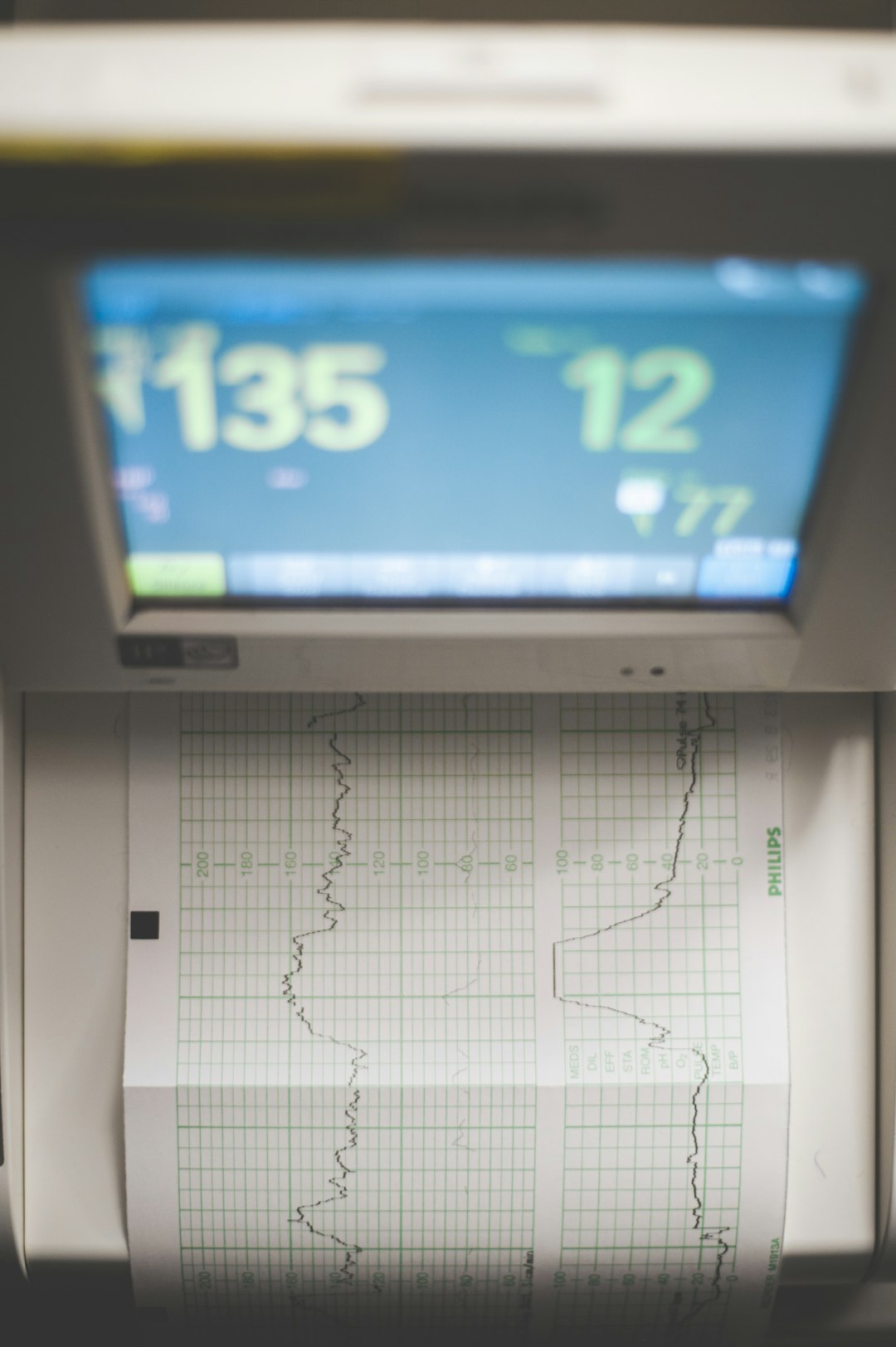
6. Fitbit Health Solutions – Remote Patient Monitoring
Wearable technology has moved beyond step tracking. Fitbit Health Solutions partners with healthcare providers to enable remote patient monitoring (RPM).
Impact on Patient Care:
- Continuous heart rate monitoring
- Sleep and activity tracking
- Chronic disease management support
- Data sharing with care teams
For patients with hypertension, diabetes, or cardiac conditions, real-time data allows clinicians to intervene early. Rather than reacting to emergencies, providers can act preventively.
This model reduces hospital admissions and enables proactive treatment adjustments. RPM has been shown to significantly lower healthcare costs while improving patient satisfaction.
7. Ada Health – AI-Powered Symptom Assessment
Artificial intelligence is changing diagnostics. Ada Health uses AI algorithms to assess symptoms and guide patients toward appropriate care.
Main Benefits:
- Personalized symptom assessments
- Risk-based care recommendations
- Pre-visit data collection
- Integration with provider systems
Before patients even arrive at a clinic, they can input symptoms into the app. The data is structured and shared with clinicians, reducing intake time and improving diagnostic accuracy.
This intelligent pre-screening system accelerates patient flow and ensures urgent cases are prioritized appropriately.
Comparison Chart: Top Healthcare Apps Improving Patient Care
| App | Primary Function | Main Users | Efficiency Impact |
|---|---|---|---|
| Epic MyChart | Patient Portal & EHR Access | Patients & Providers | Reduces admin workload and no-shows |
| Teladoc Health | Telemedicine | Patients & Physicians | Decreases in-person visit volume |
| Medisafe | Medication Management | Patients | Improves adherence and reduces readmissions |
| Doximity | Secure Clinical Communication | Healthcare Professionals | Speeds up collaboration and referrals |
| Cerner PowerChart | Electronic Health Records | Hospitals & Clinics | Reduces documentation errors |
| Fitbit Health Solutions | Remote Monitoring | Patients & Providers | Enables preventive interventions |
| Ada Health | AI Symptom Checker | Patients & Clinics | Improves triage efficiency |
How These Apps Deliver 81% Greater Efficiency
The dramatic improvement in efficiency doesn’t come from one tool alone—it comes from integration. When healthcare apps work together seamlessly, they automate repetitive tasks, provide data transparency, and eliminate communication gaps.
Key Efficiency Drivers:
- Automation: Scheduling, reminders, and documentation reduce manual work.
- Data Centralization: Unified records prevent redundant tests and errors.
- Remote Access: Telehealth and monitoring reduce unnecessary visits.
- AI Optimization: Smart triaging and predictive analytics improve decision-making.
For administrators, this means optimized staffing and reduced overhead. For clinicians, it means less paperwork and more face-to-face patient time. For patients, it means faster service, better communication, and improved outcomes.
The Future of App-Driven Healthcare
As artificial intelligence, wearable sensors, and predictive analytics continue evolving, healthcare apps will become even more integrated into everyday care delivery. Expect to see:
- Expanded AI diagnostic support
- Fully interoperable health systems
- Greater focus on personalized medicine
- Enhanced cybersecurity protection
The organizations that embrace digital tools today are building the foundation for smarter, more patient-centered healthcare tomorrow.
Final Thoughts
The healthcare industry is complex, but digital innovation is simplifying it—one app at a time. From virtual care platforms to AI-powered diagnostics, these seven healthcare apps demonstrate how technology can dramatically improve patient outcomes and operational performance.
When thoughtfully implemented and properly integrated, these solutions do more than modernize workflows—they fundamentally enhance how care is delivered. The result? Faster service, safer treatments, and up to 81% greater efficiency in managing patient care.
Healthcare isn’t just going digital—it’s becoming smarter, more connected, and more responsive than ever before.