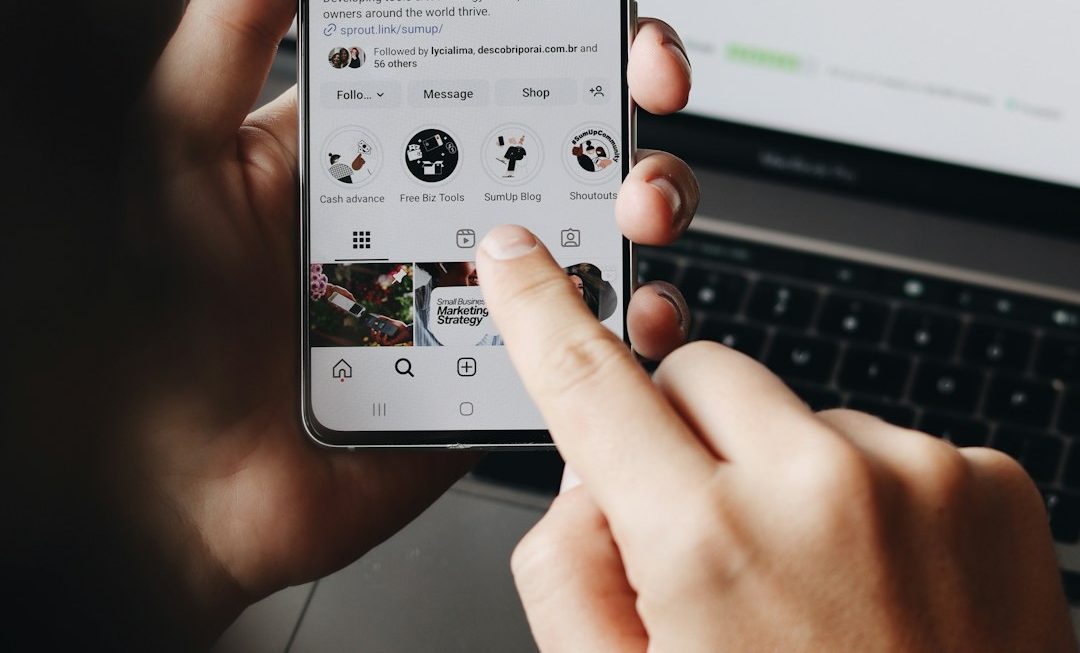
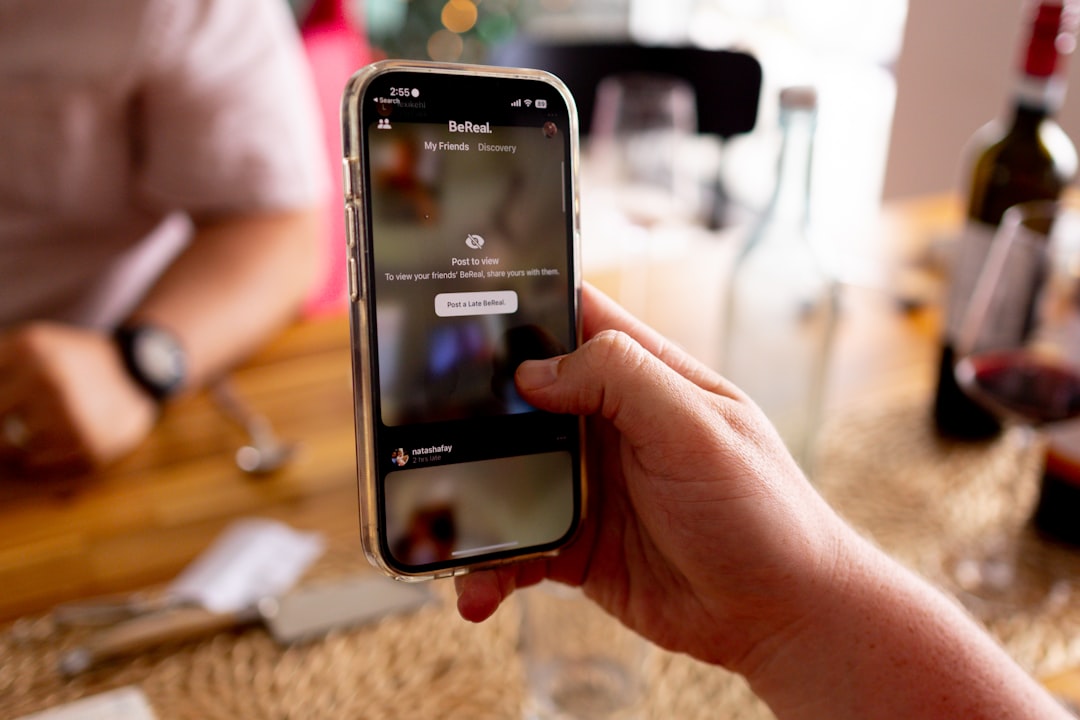
Wine tasting is an art built on memory. The delicate floral aroma of a Riesling, the earthy backbone of a Burgundy, the bold fruit of a Napa Cabernet—each experience is unique, yet surprisingly easy to forget. As collections grow and restaurant lists expand, keeping track of the wines you love becomes increasingly difficult. That’s where wine tasting apps step in, transforming casual enjoyment into organized discovery.
TLDR: Wine tasting apps help you record, rate, and remember every bottle you enjoy, making it easier to revisit favorites and discover new ones. The best apps combine label scanning, detailed tasting notes, cellar management, and community reviews. They offer reliable organization tools for both beginners and collectors. Choosing the right app depends on your goals—whether casual tracking, professional-level notes, or full cellar inventory management.
In today’s digital landscape, these apps are more than simple notebooks. They are structured tasting journals, searchable databases, and intelligent recommendation systems. For serious enthusiasts and professionals alike, they offer a level of consistency and organization that handwritten notes often lack.
Why Memory Alone Isn’t Enough
Even experienced tasters struggle to accurately remember every wine they’ve enjoyed. Sensory memory fades quickly, and subtle differences between vintages or producers blur over time. Without written records, it becomes difficult to:
- Reorder a specific bottle you loved at a restaurant
- Track how your taste preferences evolve
- Compare vintages objectively
- Manage cellar inventory accurately
- Avoid purchasing wines you previously disliked
A structured app solves these issues by centralizing data and keeping it searchable. With just seconds of input, you create a permanent, searchable tasting archive.
Core Features of Effective Wine Tasting Apps
Not all wine apps offer the same value. The most useful platforms share a few essential characteristics.
1. Label Scanning Technology
Modern image recognition allows users to scan a wine label instantly. This feature eliminates typing errors and speeds up logging.
Reliable scanning ensures accurate producer names, vintages, and regional information. It also reduces confusion when different wineries release similarly named wines.
2. Structured Tasting Notes
A trustworthy app encourages disciplined evaluations. Look for structured formats that cover:
- Appearance (color, clarity, viscosity)
- Aroma (fruit, floral, earth, spice)
- Palate (body, acidity, tannin, sweetness)
- Finish (length and complexity)
Over time, this structured input helps you identify patterns in your preferences.
3. Rating Systems
Many apps include numerical or star-based ratings. While subjective, consistent scoring allows you to benchmark wines against each other.
4. Cellar Management Tools
Collectors benefit from inventory tracking, drink-by recommendations, and purchase history logs. These features reduce waste and protect investment.
5. Community Insights
Some apps incorporate reviews from other wine lovers. While external opinions should not replace your own judgment, they provide helpful context and discovery opportunities.
Leading Wine Tasting Apps Compared
Below is a comparison of several respected wine tasting apps available today. Each serves slightly different needs.
| App Name | Best For | Label Scanning | Cellar Management | Community Reviews | Offline Access |
|---|---|---|---|---|---|
| Vivino | Casual tasters and discovery | Yes | Basic | Extensive | Limited |
| CellarTracker | Collectors and investors | Yes | Advanced | Strong | Yes |
| Delectable | Photographic logging | Yes | Moderate | Active | Limited |
| Vintg | Personal tasting journal | Yes | Basic | Growing | Yes |
Detailed Look at Top Options
Vivino
Vivino is widely known and accessible. Its strength lies in its large database and broad community. Users can scan bottles, instantly view ratings, and read thousands of peer reviews. For beginners, this accessibility is extremely helpful.
However, serious collectors may find its cellar management tools somewhat limited. It excels more as a discovery platform than as a professional inventory system.
CellarTracker
CellarTracker has built a strong reputation among collectors and industry professionals. It provides detailed cellar tracking, valuation estimates, and maturity windows. The structured review system encourages serious analysis.
The interface is less visually polished than some competitors, but its reliability and depth make it highly trustworthy for long-term documentation.
Delectable
Delectable emphasizes recognition accuracy and visual logging. Users photograph wine labels and receive rapid identification. Its feed-style interface encourages sharing and discovering new bottles.
This app suits socially active wine drinkers who enjoy tracking alongside community engagement.
Vintg and Similar Journal-Focused Apps
Some apps prioritize private note-taking over community interaction. These appeal to professionals, sommeliers, and individuals studying wine formally. Structured aromatics lists, blind tasting modes, and offline access enhance learning reliability.
Professional Use: Beyond Casual Tracking
For sommeliers, importers, and educators, wine tasting apps offer more than convenience. They provide:
- Consistency in evaluation language
- Searchable archives for training
- Data for purchasing decisions
- Documentation for client recommendations
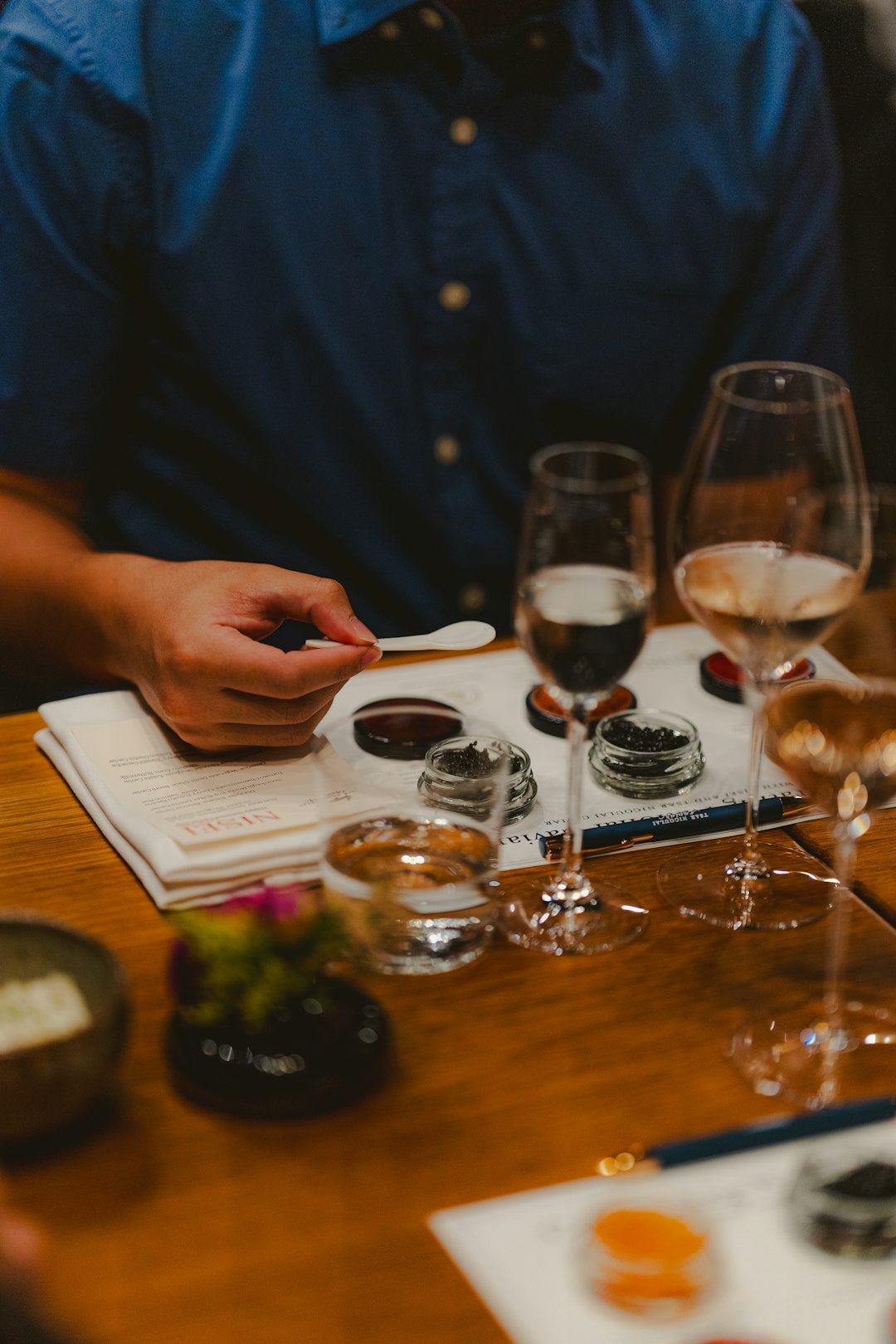
In examinations such as sommelier certifications, disciplined note organization strengthens recall and analytical ability. A digital record of hundreds of tastings builds confidence and reference depth.
How to Use a Wine Tasting App Effectively
Downloading an app is only the first step. To truly remember every bottle you loved, consider these best practices:
- Log wines immediately — Sensory impressions fade quickly.
- Be consistent with terminology — Use standardized descriptors.
- Rate thoughtfully — Avoid inflating scores.
- Photograph labels clearly — Ensure future search accuracy.
- Review your notes periodically — Identify patterns in preferences.
This disciplined approach turns your app into a reliable personal database rather than a casual collection of scattered impressions.
Data Reliability and Privacy Considerations
Trustworthiness extends beyond features—it includes data control. Before committing to a platform, assess:
- Whether data can be exported
- If the app offers backup capabilities
- How personal information is protected
- Whether tasting notes remain private unless shared
For serious collectors, the ability to export inventory lists is essential in case of migration to a new platform or insurance documentation needs.
The Long-Term Value of Digital Wine Records
Wine is deeply tied to memory—celebrations, travel, meaningful dinners. A well-maintained tasting app functions not only as an inventory tool but also as a personal archive of experiences. Reviewing past entries often recalls details beyond flavor: location, company, atmosphere.
From an investment perspective, collectors benefit from organized documentation. Tracking purchase price, current valuation, and aging windows protects assets and supports informed decisions about when to sell or drink.
From a learning standpoint, reviewing dozens or hundreds of entries reveals how your palate matures. Perhaps you once favored heavily oaked Chardonnay but have shifted toward mineral-driven styles. An app makes that evolution visible.
Choosing the Right App for You
The best wine tasting app depends on your objectives:
- Casual explorer? Choose a platform with strong scanning and community reviews.
- Collector? Prioritize robust cellar management and valuation tools.
- Student or professional? Select structured frameworks and offline functionality.
No single app suits everyone. The key is selecting one that supports disciplined, consistent documentation.
Final Thoughts
Remembering every bottle you loved is not about perfection—it is about capturing experience before it fades. Wine tasting apps provide structure, reliability, and long-term accessibility that handwritten notes rarely match. They transform fleeting impressions into permanent records.
In a world with endless producers and vintages, your personal archive becomes invaluable. Whether you enjoy a weekly glass or manage a serious cellar, a disciplined digital log ensures that no exceptional bottle is ever forgotten—and that every future purchase is informed by genuine experience.

Related Posts
Shopify vs WooCommerce vs BigCommerce: Best eCommerce Platform for Scaling Online Stores in 2026
How to Install Python on Windows, Mac, and Linux: Full Beginner Setup for Data Science and Automation