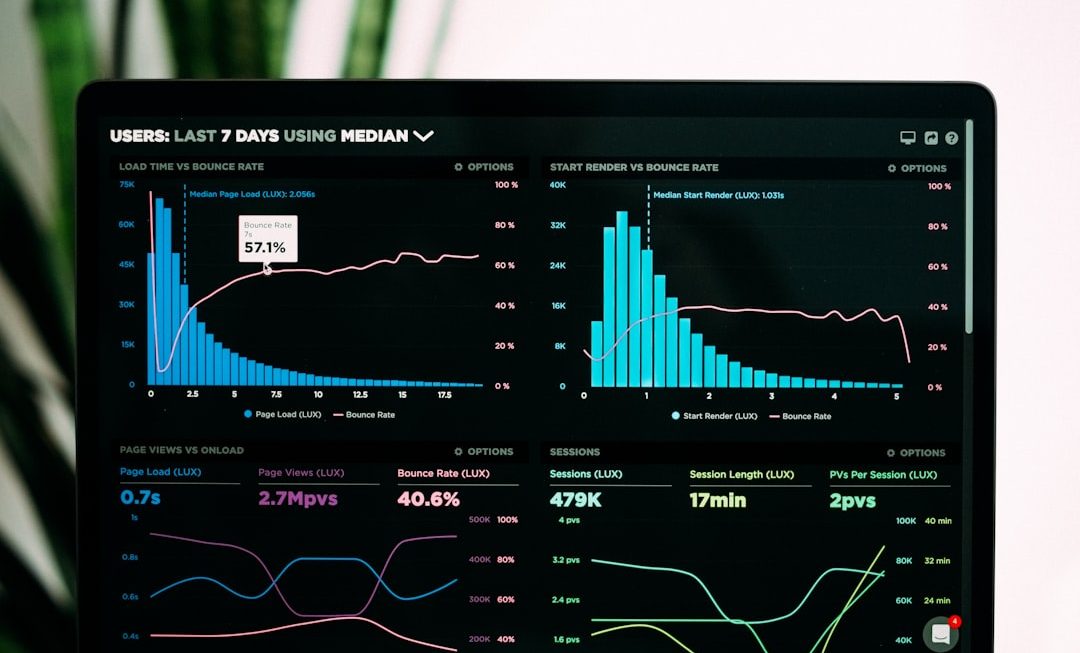
Modern product development is driven by data, experimentation, and rapid iteration. For product managers and growth teams, success increasingly depends on understanding how users interact with digital products and turning those insights into measurable improvements. Mixpanel has emerged as one of the most powerful product analytics platforms for teams that want to go beyond vanity metrics and focus on real behavior-driven insights.
TLDR: Mixpanel provides product managers and growth teams with advanced analytics tools to understand user behavior, optimize funnels, and drive retention. Its suite includes event tracking, cohort analysis, A/B testing integrations, and collaborative dashboards that empower data-informed decisions. Beyond analytics, Mixpanel enables experimentation, personalization, and cross-functional insight sharing. When used effectively, it becomes a central growth engine for digital product teams.
Unlike traditional analytics tools that focus heavily on page views and sessions, Mixpanel is built around event-based tracking. This approach allows teams to analyze specific user behaviors—such as button clicks, feature usage, purchases, or subscriptions—and uncover patterns that influence growth. Let’s explore the apps and tools within Mixpanel that make it indispensable for today’s product-driven organizations.
1. Event-Based Tracking and Insights
At the core of Mixpanel is its event tracking system. Instead of merely analyzing user sessions, product managers can define and track specific actions that matter most to their goals.
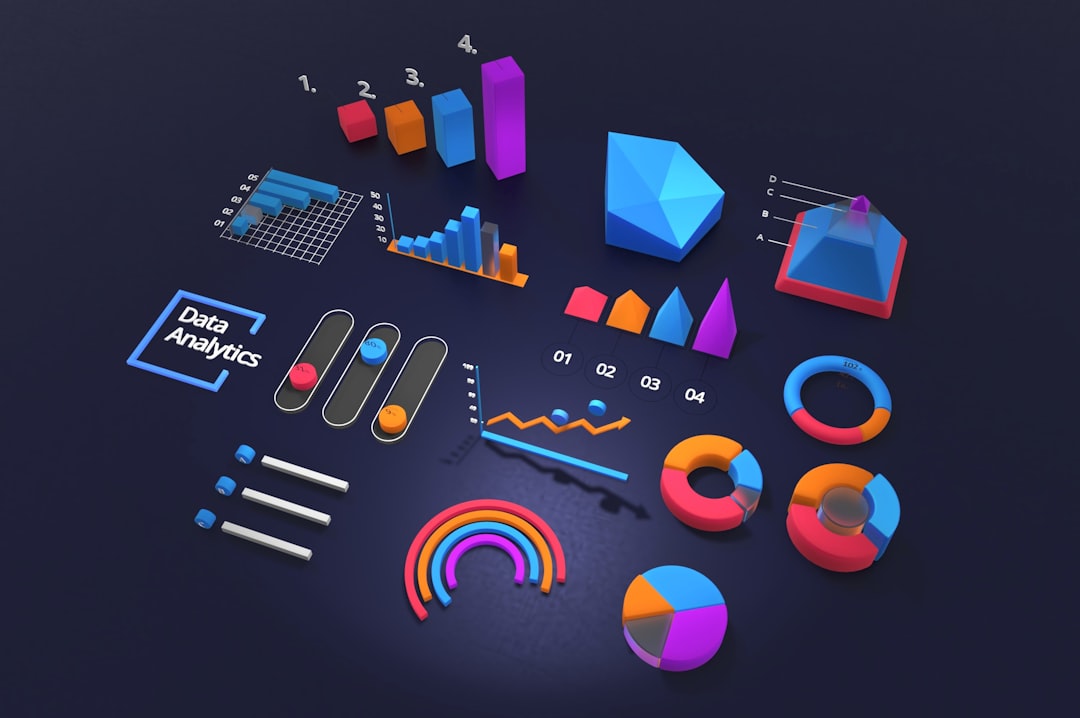
Key capabilities include:
- Custom Event Tracking: Monitor clicks, sign-ups, purchases, and feature usage.
- Property Tracking: Attach metadata such as location, device type, or subscription tier.
- Real-Time Analytics: View data as it happens to react quickly to changes.
This granular approach offers product teams insights like:
- Which features drive the most engagement?
- Where do users drop off in onboarding?
- What actions correlate with long-term retention?
Why it matters: Event tracking transforms assumptions into measurable learning. Instead of guessing which features are valuable, teams can validate them with data.
2. Funnel Analysis for Conversion Optimization
Growth teams live and die by conversion rates. Mixpanel’s Funnel Analysis tool enables teams to visualize step-by-step user journeys and identify where friction exists.
With funnels, you can:
- Track onboarding completion rates
- Measure checkout flow performance
- Compare conversion rates by segment
For example, if users frequently drop off between “Create Account” and “Verify Email,” the data makes the gap obvious. Once identified, teams can test solutions such as simplified forms or automated reminders.
Advanced Features:
- Time-to-convert breakdowns
- Segment comparison within funnels
- Exclusion steps for cleaner analysis
For product managers, this tool bridges the gap between product usage and revenue impact.
3. Cohort Analysis for Smarter Segmentation
Not all users behave the same. Mixpanel’s Cohort Analysis allows teams to group users dynamically based on behavior or attributes.
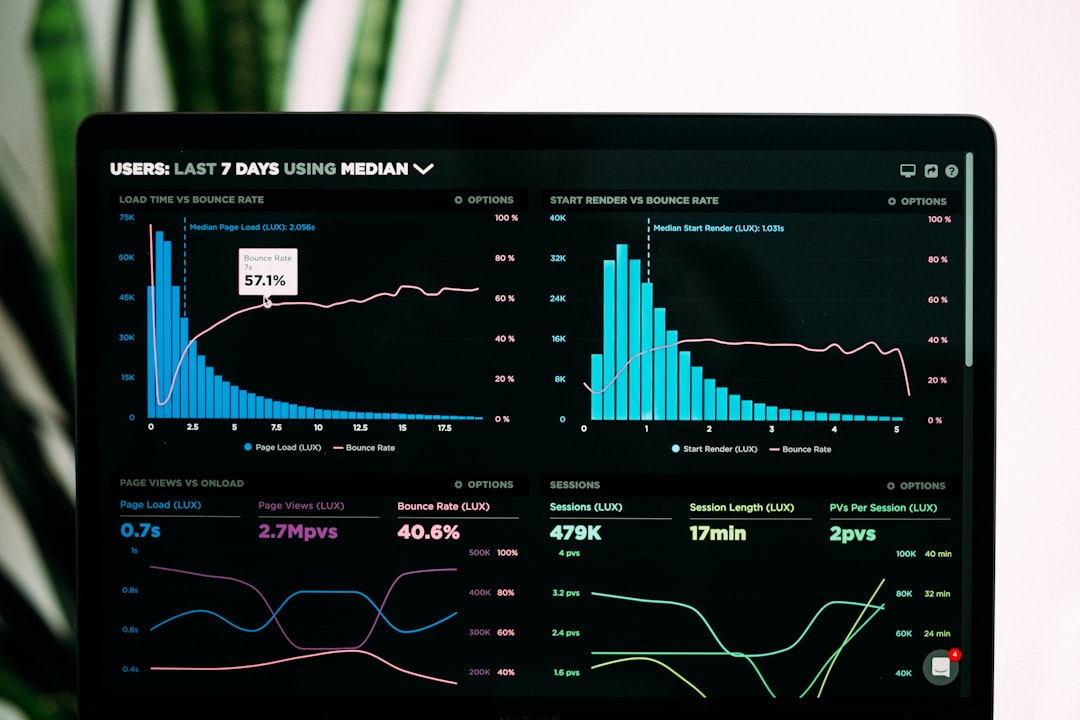
Common cohort examples include:
- Users who completed onboarding within 24 hours
- Customers who upgraded after a free trial
- Users inactive for more than 30 days
These cohorts can then be analyzed and targeted for:
- Retention campaigns
- Feature announcements
- Re-engagement strategies
Dynamic Cohorts automatically update as users meet specific criteria, making them incredibly powerful for ongoing targeting. Growth teams can sync these cohorts with marketing automation tools to trigger campaigns in real time.
Impact: Cohort insights help answer the critical question: “What makes our best users different?”
4. Retention Reports and Behavioral Trends
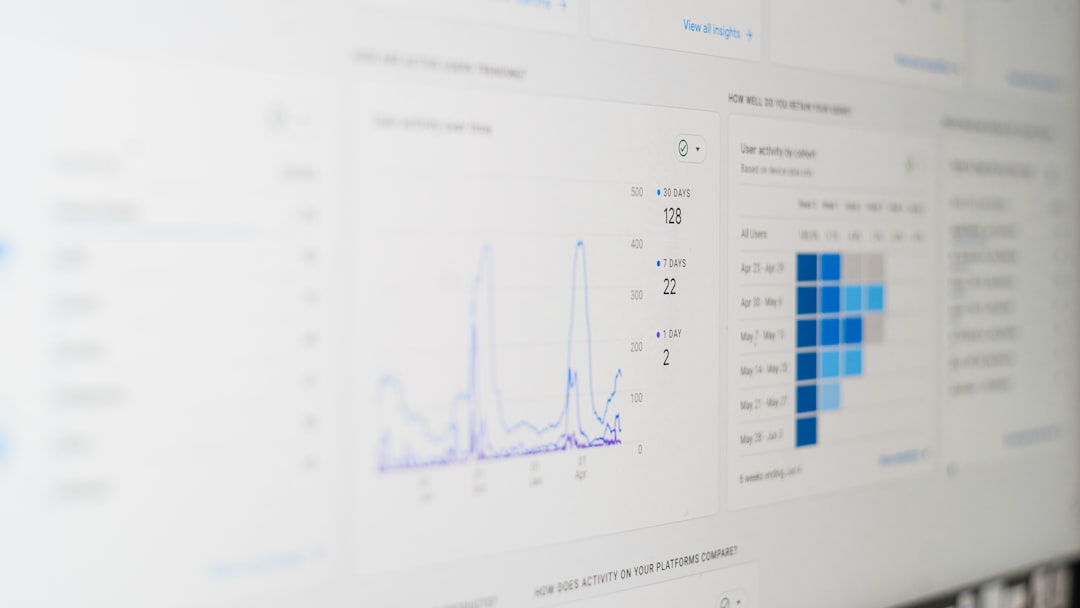
Acquisition without retention is wasted effort. Mixpanel’s Retention Reports allow teams to analyze recurring user engagement over time.
These reports show:
- Day-by-day, week-by-week, or month-by-month retention
- Behavioral patterns that precede churn
- Feature usage impact on long-term engagement
Product managers can identify which early actions increase the likelihood of retention. For example, users who save three projects in the first week might retain 60% better than those who don’t.
This insight allows teams to redesign onboarding flows to drive that behavior deliberately.
5. Experiments and A/B Testing Integrations
Data without experimentation limits growth. While Mixpanel itself is primarily an analytics platform, it integrates seamlessly with A/B testing tools to close the loop between insights and action.
Teams can:
- Measure test variation performance
- Track conversion lift by audience segment
- Analyze retention impact of design changes

When connected with experimentation tools, Mixpanel becomes the measurement backbone for growth experimentation. Product managers can track statistically significant improvements tied to specific features or messaging changes.
Best Practice: Always define success metrics in Mixpanel before launching experiments.
6. Dashboards and Collaboration Tools
Data is only valuable if it’s accessible. Mixpanel offers flexible custom dashboards that teams can tailor to different stakeholders.
Features include:
- Shareable reports
- Annotation options
- Saved metrics
Product managers can create executive dashboards showing revenue trends while growth teams build campaign-focused analytics views. This centralization reduces data silos and ensures everyone works from a unified data source.
7. Alerts and Automation
For fast-moving product teams, proactive monitoring is crucial. Mixpanel allows users to set alerts when metrics reach specific thresholds.
Examples:
- Sign-up conversion drops below 10%
- Daily active users increase unexpectedly
- Churn spikes within a defined cohort
These automated notifications allow teams to react to issues in real time rather than waiting for weekly reports.
8. Data Governance and Integrations
As teams scale, maintaining clean and reliable data becomes a challenge. Mixpanel provides tools for:
- Event documentation
- Schema governance
- Integration with data warehouses
It integrates with tools like:
- Customer Data Platforms (CDPs)
- Marketing automation systems
- Cloud storage solutions
- BI tools
This flexibility ensures Mixpanel fits into existing tech stacks rather than replacing them.
Comparison Chart: Mixpanel Tools for Product and Growth Teams
| Tool/Feature | Primary Use | Best For | Impact on Growth |
|---|---|---|---|
| Event Tracking | Behavior analysis | Product Managers | Identifies high-value actions |
| Funnel Analysis | Conversion tracking | Growth Teams | Improves onboarding and sales flow |
| Cohort Analysis | User segmentation | Retention & Marketing Teams | Targeted engagement strategies |
| Retention Reports | Long-term engagement measurement | Product Strategy Teams | Reduces churn |
| Dashboards | Data communication | Leadership & Stakeholders | Aligns teams around KPIs |
| Alerts | Real-time monitoring | Operations Teams | Faster response to performance changes |
Why Mixpanel Stands Out
What differentiates Mixpanel is its focus on user-centric analytics. While many analytics platforms provide surface-level traffic metrics, Mixpanel dives deep into behaviors that truly matter to product success.
For product managers, this means:
- Clear validation of feature impact
- Reduced reliance on intuition
- Better prioritization decisions
For growth teams, it delivers:
- Precise audience targeting
- Improved experimentation velocity
- Scalable optimization opportunities
In highly competitive digital markets, data maturity is a competitive advantage. Mixpanel enables teams to move from reactive reporting to proactive optimization.
Final Thoughts
Product management and growth are no longer separate disciplines—they operate at the intersection of data, experimentation, and customer experience. Mixpanel’s suite of apps and analytics tools empowers teams to understand behavior, improve engagement, and drive sustainable growth.
By combining event tracking, funnel analysis, cohort segmentation, retention reports, dashboards, and automated alerts, Mixpanel becomes more than just an analytics tool—it becomes a strategic growth partner.
For organizations serious about building user-centric products and scaling sustainably, integrating Mixpanel into daily workflows can be transformative. Data doesn’t just describe what happened—it guides what should happen next.