
Creating consistent, engaging content on Instagram can feel overwhelming—especially when you’re juggling business tasks, creative ideas, and the pressure to post regularly. The good news? A structured content plan paired with a simple, free template can transform your Instagram strategy from chaotic to intentional. Instead of scrambling for last-minute ideas, you’ll know exactly what to post, when to post it, and why it matters to your audience.
TLDR: A well-structured Instagram content plan helps you stay consistent, increase engagement, and save time. By using a free, customizable template, you can organize post ideas, align content with business goals, and track performance effectively. Planning ahead allows you to create higher-quality posts and maintain a balanced mix of promotional, educational, and entertaining content. The key is clarity, consistency, and strategic scheduling.
Why You Need an Instagram Content Plan
Posting randomly may work occasionally, but it rarely delivers sustainable growth. An Instagram content plan gives your efforts direction and purpose. Instead of reacting to trends or posting only when inspiration strikes, you build a structured approach that supports your broader marketing goals.
Here’s why a content plan matters:
- Consistency builds trust: Regular posting keeps your audience engaged and signals reliability.
- Better time management: Planning ahead reduces daily stress and last-minute scrambling.
- Stronger brand identity: Organized content ensures your messaging and visuals stay aligned.
- Improved engagement: Strategic posts encourage interaction rather than passive scrolling.
Without a plan, your Instagram becomes a collection of disconnected posts. With a plan, it becomes a cohesive story.
Step 1: Define Clear Goals Before You Create
Before opening your template and filling it with ideas, ask yourself: What do I want Instagram to achieve for my brand?
Your goals may include:
- Increasing brand awareness
- Growing followers
- Generating leads
- Driving website traffic
- Selling products or services
- Building community engagement
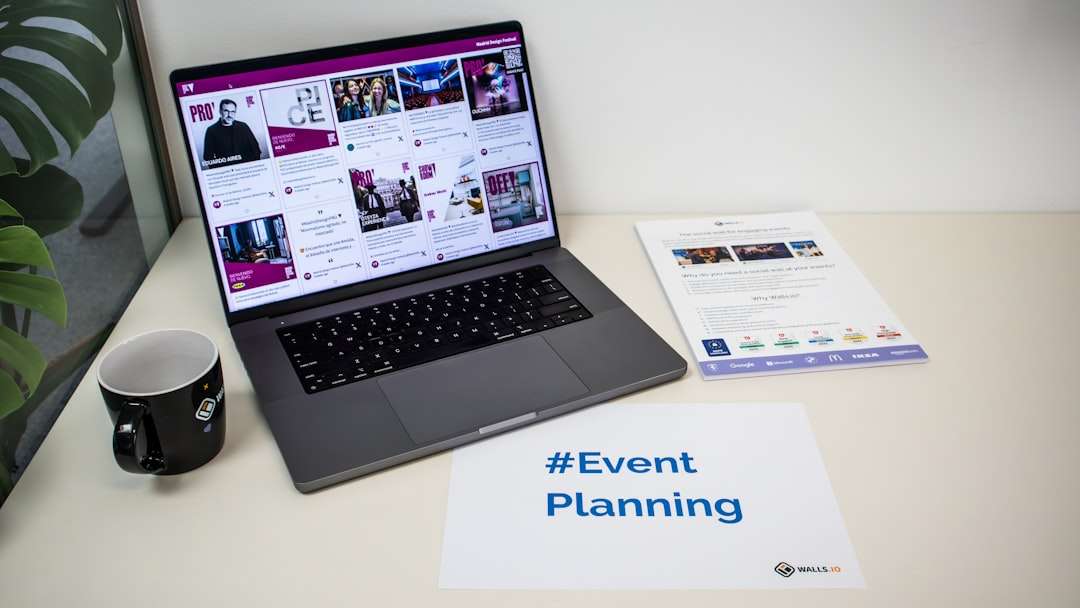
Each piece of content should support at least one of these goals. A free content plan template typically includes columns for objective, content type, caption, hashtags, posting date, and performance metrics. When your goals are clear, filling in these sections becomes much easier.
Step 2: Identify Your Content Pillars
Content pillars are 3–5 core themes that define what you regularly post about. They prevent repetition while maintaining coherence. For example, if you’re a fitness coach, your pillars might be:
- Workouts
- Nutrition Tips
- Client Transformations
- Mindset Motivation
- Behind the Scenes
By organizing content around pillars, you ensure variety and balance. In your template, create a column labeled Content Pillar and assign each post to one category. This will help you quickly identify if you’re overposting promotional material and underposting value-driven content.
Step 3: Map Out Your Posting Schedule
Consistency matters more than frequency. Posting three quality posts per week is better than posting daily with inconsistent messaging.
Start by deciding:
- How many times per week you can realistically post
- Which days your audience is most active
- What content format works best (Reels, Carousels, Stories, Lives)
Use your free template to map content across a monthly calendar view. A simple spreadsheet works perfectly. Include rows for each day and columns for:
- Date
- Day of Week
- Content Type
- Topic
- Caption Draft
- Call to Action
This visual layout prevents content gaps and helps you spot patterns.
Step 4: Balance Your Content Mix
One of the biggest engagement killers is overly promotional content. Instead, aim for a strategic balance. A helpful framework is the 40-40-20 rule:
- 40% Value: Educational or helpful posts
- 40% Connection: Stories, personal insights, relatable experiences
- 20% Promotion: Direct offers, products, services
This distribution keeps your feed engaging while still supporting sales.
Step 5: Plan Captions and Calls to Action in Advance
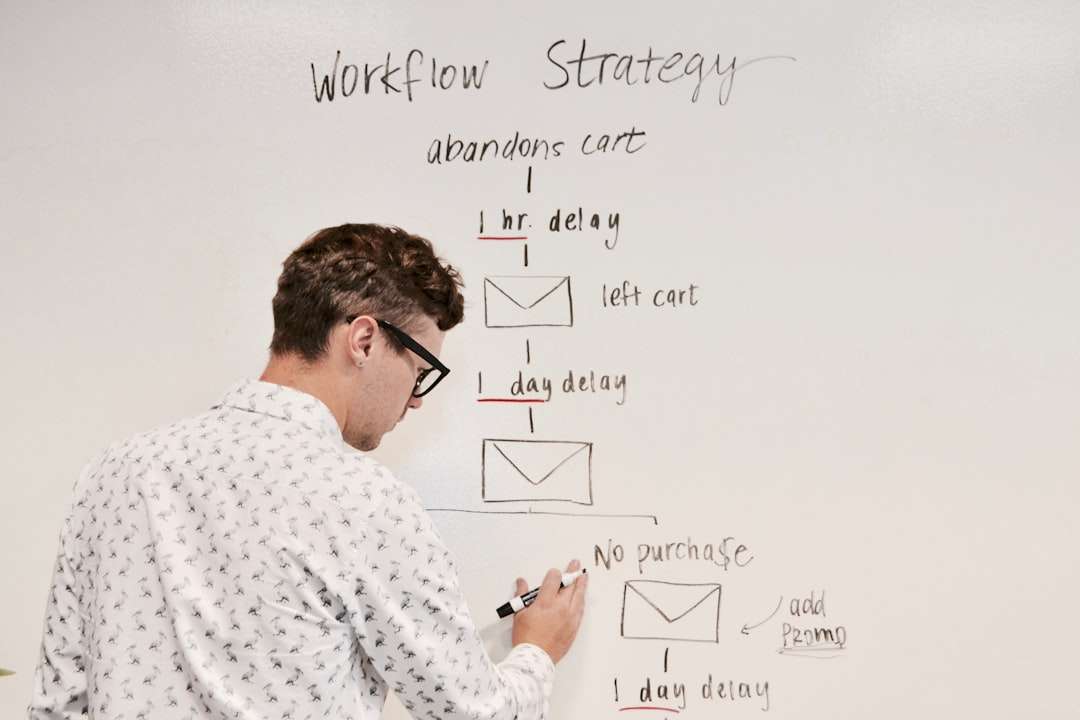
Captions are often rushed—but they are where engagement happens. Instead of writing them minutes before posting, draft them directly inside your template.
Strong captions typically include:
- A compelling hook in the first line
- Clear value or storytelling
- A question or call to action
Examples of effective calls to action:
- “Save this post for later.”
- “Comment your experience below.”
- “Send this to someone who needs this.”
- “Click the link in bio.”
Planning these ahead of time improves clarity and ensures every post supports engagement.
Step 6: Incorporate Visual Planning
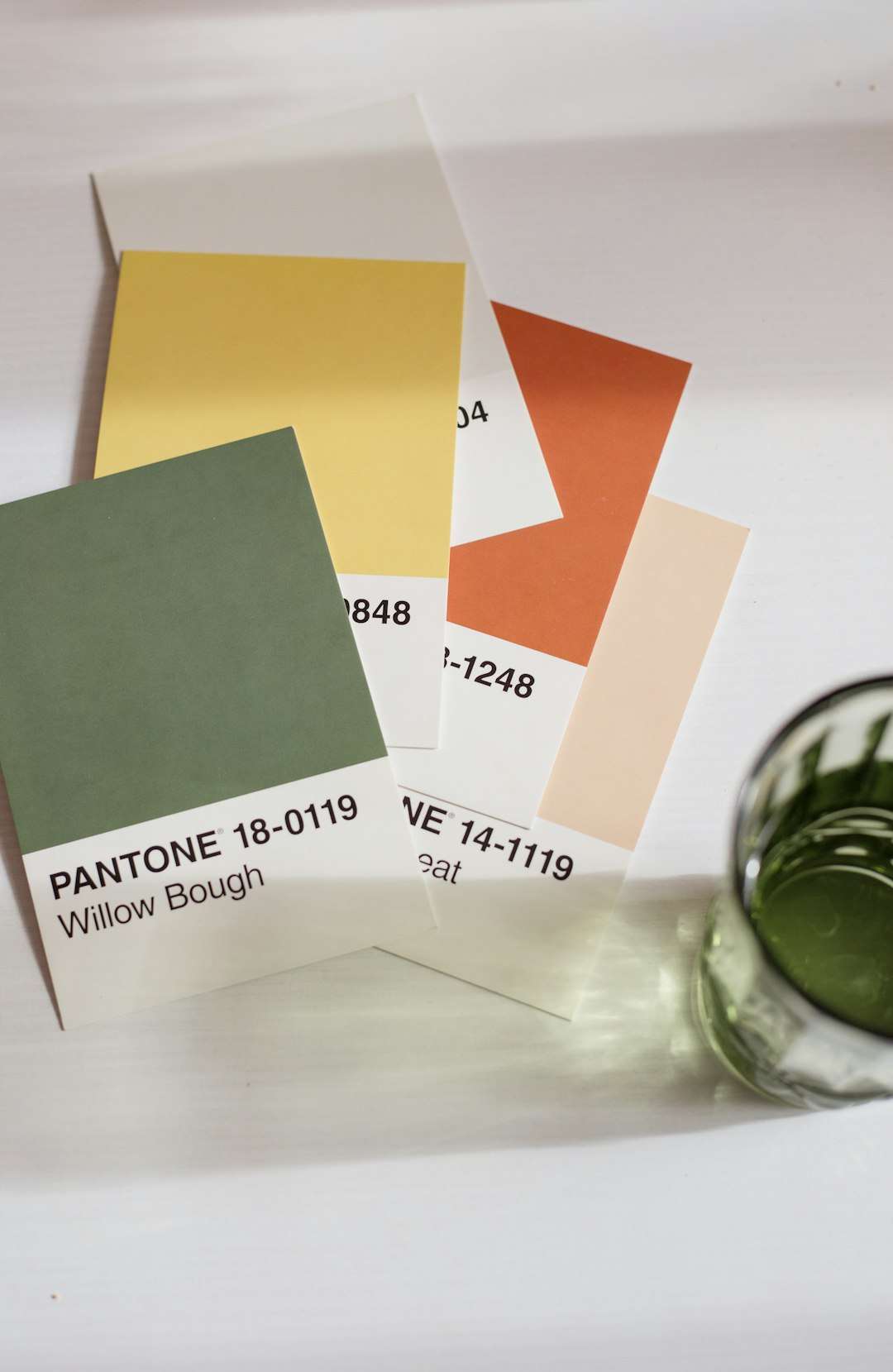
Instagram is a visual platform, so your content plan should account for aesthetics. Within your template, add a section labeled Visual Notes. This might include:
- Color palette
- Photo style
- Graphic overlays
- Branding elements
If possible, use a secondary tool to preview your grid before posting. Seeing how posts appear together helps maintain visual harmony.
Step 7: Repurpose and Batch Create Content
A content plan allows you to work smarter by batching similar tasks. Instead of creating, editing, and posting one piece at a time, set aside a few hours weekly to:
- Create multiple graphics
- Film several Reels
- Write captions for the entire week
- Schedule posts in advance
Repurposing is equally powerful. A single blog post can become:
- 3–5 carousel posts
- A short Reel
- Multiple Stories
- A quote graphic
Your template can include a Repurposing Source column to track where ideas originated.
Step 8: Track Performance and Adjust
An effective Instagram content plan is dynamic. Tracking performance ensures you refine your strategy over time.
Add performance tracking sections in your template:
- Reach
- Likes
- Comments
- Saves
- Shares
- Profile visits
After each week or month, review the data. Identify which pillar generates the most saves. Notice which format drives comments. Double down on content types that spark conversations.
Remember: Engagement is not just about numbers—it’s about meaningful interaction.
What to Include in Your Free Instagram Content Template
If you’re building—or downloading—a free template, make sure it includes these essential sections:
- Monthly overview calendar
- Content pillar column
- Post format column
- Caption draft section
- Call to action field
- Hashtag bank
- Posting date and time
- Performance tracking metrics
The simpler the template, the more likely you are to use it consistently.
Mistakes to Avoid When Planning Instagram Content
Even with a strong template, some pitfalls can limit results:
- Overplanning trends too far in advance: Leave room for spontaneous content.
- Ignoring analytics: Data should guide your adjustments.
- Copying competitors blindly: Use inspiration, but keep your voice unique.
- Underestimating Stories: Stories drive connection and daily engagement.
Your content plan should provide structure—not rigidity.
How a Content Plan Boosts Long-Term Growth
The real power of a content plan is momentum. When you eliminate daily decision fatigue, creativity increases. You spend more time focusing on quality storytelling and less time worrying about what to post next.
Over time, this leads to:
- Stronger brand recognition
- Higher audience retention
- Increased engagement rates
- Predictable content workflow
Most importantly, strategic planning turns Instagram from an unpredictable chore into a reliable business asset.
Final Thoughts
Creating your Instagram content plan with a free template doesn’t require advanced tools or complicated software. It requires clarity, organization, and consistency. By defining goals, establishing content pillars, balancing your content mix, and tracking performance, you create a sustainable system for growth.
Instead of guessing what works, you’ll operate with intention. Instead of reacting, you’ll plan proactively. And instead of burnout, you’ll build momentum.
Start simple. Download or create a free template today, map out your next 30 days of content, and watch how clarity transforms both your engagement and your confidence.