As we move into the mid-2020s, digital marketers, SEO experts, and local businesses are closely watching the evolution of search behavior. One of the most dynamic changes is unfolding in the realm of location-based search keywords. These phrases, once dominated by simple formats like “coffee shop near me,” are becoming increasingly nuanced, personalized, and data-driven. Heading into 2026, it’s clear that the landscape of new location keywords is rapidly advancing.
TL;DR:
In 2026, location keywords are becoming hyper-personalized, real-time, and AI-enhanced. Searches are moving from generic “near me” phrases to intent-focused and behavior-based queries. With the rise of voice search, wearable technology, and spatial computing, local SEO is no longer just about proximity — it’s also about relevance, prediction, and user context. Businesses must adapt their digital strategies to align with these intelligent, evolving location trends.
1. The Rise of Contextual Location Keywords
The days of simply targeting “restaurants near me” are numbered. In 2026, users are asking smarter, context-aware queries like:
- “Quiet coffee shops with Wi-Fi near downtown”
- “Pet-friendly hotels near Boston with free parking”
- “Best rooftop bars nearby open past midnight”
These searches show a trend toward increased user intent and preference being embedded into the query itself. Instead of prioritizing proximity alone, search engines are now factoring in atmosphere, amenities, time constraints, and even user behavior history.
2. Integration of Time-Based and Situational Context
Search engines in 2026 are using real-time data like time of day, weather, and even local events to serve more relevant location-based results. A search like:
“open-air restaurants nearby right now”
could yield vastly different results at 10 AM under cloudy skies compared to 7 PM on a summer evening. Businesses need to optimize for these situational keywords by keeping NAP (Name, Address, Phone) and operational data current, and by creating evergreen content that adapts to different times and events.
3. Local Queries Get Predictive
Thanks to advancements in AI and machine learning, location search is no longer purely reactive. In 2026, devices like smartphones, smart glasses, and even in-car systems can predict and suggest location content before the user even types or speaks a query.
For instance, if you typically grab coffee at 8:00 AM and your usual café is closed, your device may preemptively suggest similar nearby places — before you even realize it.
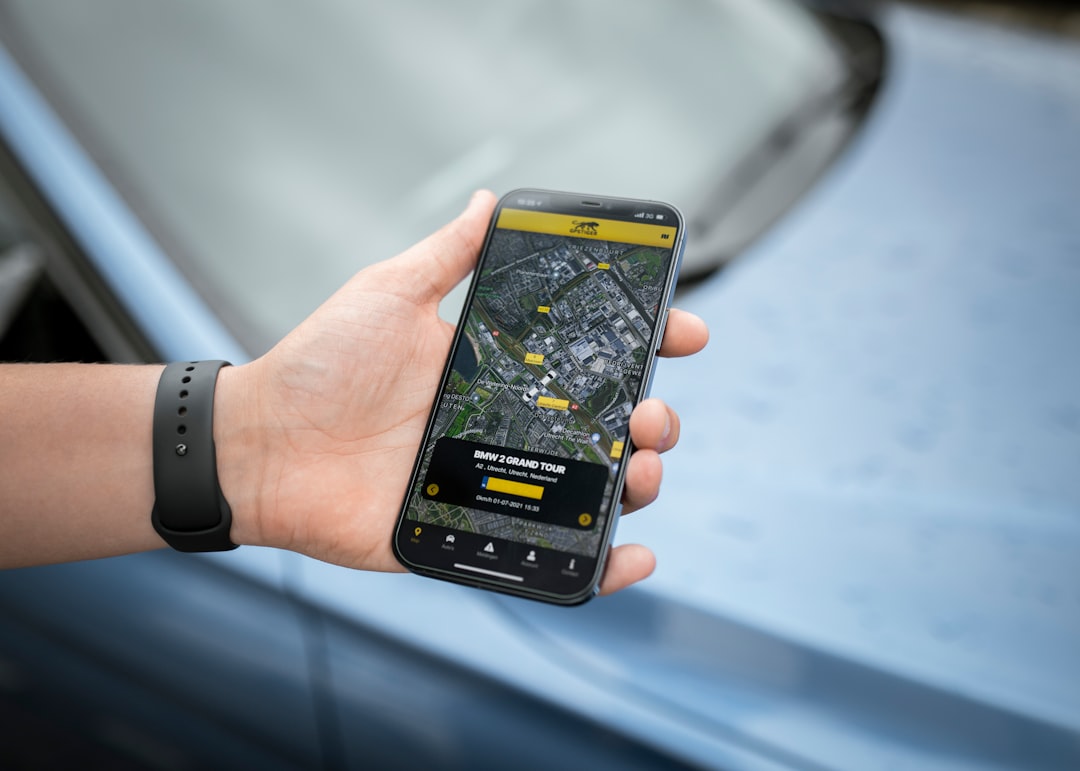
Local businesses should be tapping into data flow APIs or partnering with platforms to make sure they’re part of this predictive suggestion layer — not just waiting for users to search.
4. Generative AI Influences Location Results
By 2026, generative AI isn’t just a tool for writing captions or blog content — it’s now powering smart local results. Picture this:
You ask, “Where can I eat good sushi near me that isn’t too pricey and has a cozy vibe?”
Your AI assistant doesn’t just throw a list of sushi spots. It combines review data, local pricing trends, ambiance descriptions, and your past preferences to generate customized, conversational answers.
These natural language responses mean that SEO must also evolve. Businesses should focus on generating content and descriptions that match this new, detail-rich user expectation, including visual elements, mood indicators, and real customer feedback.
5. Spatial Computing Becomes a Search Tool
Spatial computing — an emerging branch of computing that lets devices understand the space around them — is redefining local keyword strategies. With devices like Apple Vision Pro and Meta’s AR glasses gaining mainstream adoption, users are accessing location-based information just by looking at a building or street.

This means that local SEO is moving beyond search boxes. Keywords for local businesses will now be linked to visual identifiers and spatial tags. Local businesses need to start thinking in terms of “visible SEO” — optimizing storefronts digitally so AR systems can scan, identify, and recommend them in 3D space.
6. Voice and Conversational Search Replace Typing
Thanks to natural language models and voice assistants, users are increasingly using voice for local searches. People are now forming full, human-like questions such as:
- “Where’s the nearest Italian place that takes reservations?”
- “Find me a late-night bakery nearby that’s not too crowded.”
Voice searches tend to be longer and more specific, meaning businesses can no longer just rank for keywords like “bakery Chicago”. They need to optimize for long-tail spoken phrases, use semantic SEO techniques, and update tags, FAQs, and schema markup accordingly.
7. Cross-Platform Synchronicity in Location Search
Another big trend is the integration of location keywords across multiple platforms. Users now expect seamless experiences whether they’re on Google, Instagram, TikTok, Yelp, or even within navigation apps like Waze or Apple Maps.
For example, searching for “local bookstores” on TikTok might now trigger a list of user-generated video reviews, geotagged in the same way that a Google Map result would. Businesses must ensure their profiles, keywords, tags, and descriptions are harmonized across every major platform to stay competitive.
8. Hyperlocal and Micro-Moment Searches
In 2026, area-specific keywords are becoming far more granular. Users aren’t just searching for “restaurants in NYC” — they’re searching for:
- “Vegan lunch spots in Williamsburg with outdoor seating”
- “Boutique fitness classes in SoMa SF this weekend”
This phenomenon is part of the micro-moment marketing movement — reaching users at the precise moment they want to do or buy something. To succeed, businesses must improve keyword targeting by neighborhood, time, activity, and even lifestyle indicators.
9. Eco and Ethical Location Keywords
As sustainability becomes more important, keywords reflecting eco-conscious and ethical choices are taking off. Queries like:
- “zero-waste coffee shops nearby”
- “local fashion from ethical brands in Austin”
These keywords reflect consumer values. Businesses should highlight environment-friendly practices, certifications, or sourcing in their metadata, content, and profiles to align with these trend-conscious searches.
10. Multi-Language and Localization Dynamics
With increased global movement and migration, local searches are seeing more multi-language queries. For tourist-heavy cities, results in languages like Mandarin, Spanish, French, and Arabic are becoming more crucial.

In 2026, smart search engines auto-translate not only web content but also intent. That means “best nearby dim sum” in English and “meilleur dim sum à proximité” in French may produce entirely separate recommendations based on cultural factors. Localization goes beyond language — it’s about offering ethnically or culturally tailored results.
Conclusion
The future of location keyword trends in 2026 is smart, evolving, and deeply personalized. With AI, wearables, and spatial tools reshaping the way people search, businesses that want to stay visible must reinterpret what it means to be “local” in a digital world. Hyper-relevant content, real-time adaptability, and presence across multiple touchpoints are no longer optional — they’re essential ingredients for visibility and success.
As we continue to witness the merging of online intention with offline behavior, the brands that thrive will be those that adapt faster, think locally, and optimize smarter.