
Pick rotating proxies with unlimited bandwidth when you need lots of requests, fresh IPs, and a bill that does not jump every time your scraper gets hungry. They are best for large scraping jobs, SEO checks, ad checks, and price tracking. Just check the fine print first, because “unlimited” can still come with speed limits.
TLDR: Rotating proxy services are the easy button. You connect once, and the provider swaps IPs for you. For example, a price tracker checking 50,000 product pages per day may save 30% to 60% in bandwidth costs with an unlimited plan instead of paying per GB. Residential proxies blend in better, while datacenter proxies are cheaper and faster.
What Are Rotating Proxies?
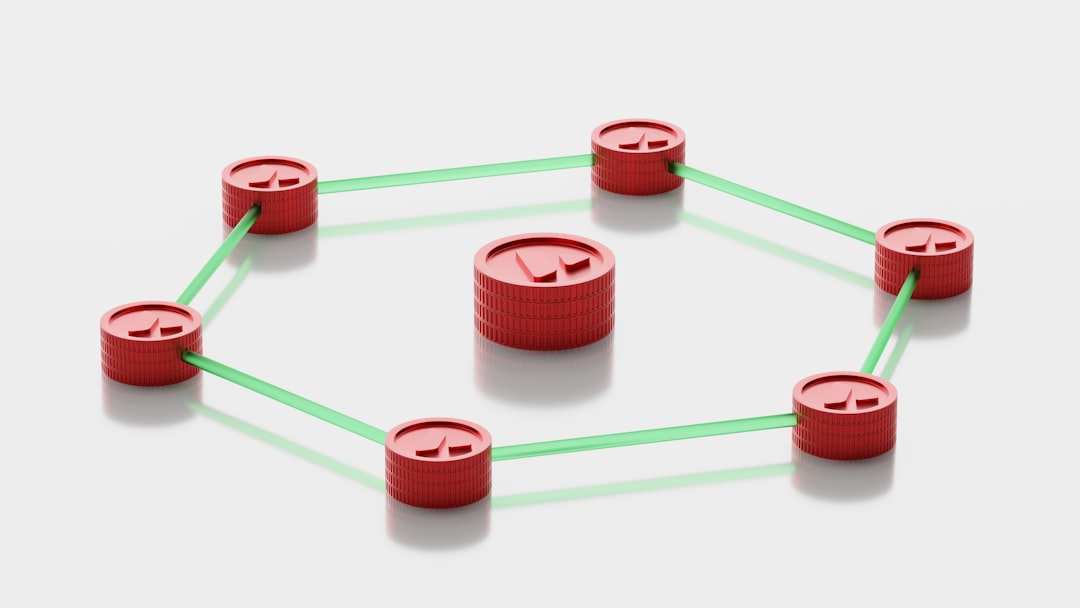
A rotating proxy changes your IP address for each request, session, or time window. Think of it like changing hats in a crowd. One request wears a blue hat. The next wears a red one.
This helps reduce blocks. It also spreads traffic across many IPs. That matters when websites get suspicious after too many visits from the same address.
A rotating proxy service usually gives you one gateway. You point your tool at it. The service handles the IP pool, timing, and switching. Nice and tidy.
Honestly, it feels like magic until you hit a bad dashboard that makes you wait 12 seconds just to copy proxy details. That part is not fun.

What Does Unlimited Bandwidth Really Mean?
Unlimited bandwidth means you are not charged per GB. That is the dream for high volume tasks.
But read the rules. Some providers use “unlimited” to mean:
- No fixed GB cap.
- Fair usage rules still apply.
- Speed may drop during heavy use.
- Too many threads may get throttled.
- Some target sites may be blocked.
The short version? Unlimited is great. But it is not a free rocket ship to scrape the whole internet by lunch.
Rotating Proxy Services: The Easy Button
A rotating proxy service wraps many proxy types into one simple setup. You do not need to manage huge IP lists. You do not need to swap ports all day. You just set rules.
Common rotation options include:
- Per request: Each request gets a new IP.
- Sticky session: One IP stays active for a few minutes.
- Timed rotation: IP changes every 1, 5, or 10 minutes.
- Geo targeting: Choose a country, state, or city.
This is great for teams. Developers like it because it is simple. Marketers like it because it works with SEO and ad tools. Finance teams like it because “unlimited bandwidth” sounds less scary than mystery GB charges.
The catch is that you give up some control. You may not know exactly which IP comes next. You also depend on the provider’s pool quality. If the pool is tired, your success rate drops.
Residential Proxies: The Smooth Talkers
Residential proxies use IPs from real internet service providers. To a website, they look like normal home users. That makes them harder to block.
They are useful for:
- Checking local prices.
- Testing ads by city or country.
- Viewing search results as real users.
- Accessing sites that block datacenter traffic.
- Collecting public data with fewer failed requests.
Residential proxies are often the best pick when access matters more than raw speed. They are the polite guest at the front door.
But they cost more. Many residential plans charge per GB. That can hurt fast. A scraping job that uses 500 GB per month may be fine on an unlimited rotating plan. On a per GB residential plan, it can become a budget monster with teeth.

Datacenter Proxies: The Fast Little Rockets
Datacenter proxies come from servers in data centers. They are not tied to home internet connections. They are fast. They are cheap. They are strong for simple, high speed jobs.
Use datacenter proxies when you need:
- Fast page loads.
- Low cost at scale.
- Stable connections.
- Bulk checks on easy sites.
- API testing from different IPs.
The downside is visibility. Many websites know datacenter IP ranges. Some block them on sight. Others show captchas sooner.
It drives me crazy when a datacenter proxy is blazing fast for 200 requests, then suddenly every page becomes a captcha party. Speed is great. Access still wins.
Rotating Services vs Residential vs Datacenter
Here is the simple choice chart.
| Option | Best For | Main Strength | Main Weak Spot |
|---|---|---|---|
| Rotating proxy service | Large jobs, easy setup | Automatic IP changes | Less direct control |
| Residential proxies | Hard sites, local testing | Looks like real users | Higher cost |
| Datacenter proxies | Speed and low cost | Fast and cheap | Easier to detect |
If you need a balanced setup, start with a rotating proxy service that offers both residential and datacenter pools. Use datacenter IPs for easy targets. Switch to residential IPs when access gets messy.
When Unlimited Bandwidth Makes Sense
Unlimited bandwidth is not always needed. For small jobs, pay as you go may be cheaper.
It makes sense when you run tasks like:
- Price monitoring: Thousands of product pages every day.
- SEO tracking: Search results across many cities.
- Market research: Public data from many sources.
- Ad verification: Checking what users see in each region.
- Brand monitoring: Tracking mentions across sites.
Say your team pulls 2 million pages per month. Each page averages 1 MB after scripts, images, and HTML. That is about 2 TB of traffic. A per GB plan could get ugly. An unlimited bandwidth plan may be much easier to predict.

Watch These Before You Buy
Do not get dazzled by big claims. Check the boring stuff. It saves pain later.
- Success rate: Ask for real numbers by target type.
- Speed: Test response times during busy hours.
- Concurrency: Check how many threads you can run.
- Rotation rules: Make sure sticky sessions are available.
- Locations: Confirm country and city coverage.
- Support: Try asking a technical question before paying.
- Allowed use: Make sure your project follows their terms.
Also test with your real target sites. A proxy can look great on a speed test and flop on your actual job. That is annoying. It is also common.
The Simple Buying Formula
Use this quick plan.
- Start with datacenter proxies for low risk, high speed tasks.
- Add residential proxies for sites that block server IPs.
- Choose rotating proxy services when you want less setup work.
- Pick unlimited bandwidth when your traffic is large or hard to predict.
- Run a 48 hour test before buying a bigger plan.
For most teams, the sweet spot is a rotating proxy service with unlimited bandwidth and mixed IP types. It gives you speed when possible. It gives you better access when needed. It also keeps billing simple.
Final Pick
If your project is small, do not overbuy. A basic residential or datacenter plan may be enough.
If your project is big, rotating proxies with unlimited bandwidth are usually the smarter bet. You get automatic IP changes, fewer surprise costs, and less setup drama.
Residential proxies win when trust matters. Datacenter proxies win when speed and price matter. Rotating proxy services win when you want the machine to keep moving without babysitting every IP like it is a tiny digital pet.

Related Posts

D&D Character Makers Compared: 5 Tools for Building Characters, Managing Stats, and Planning Tabletop Campaigns

Cloudbot Alternatives: 4 Streaming Chatbot Tools for Moderation, Automated Responses, and Community Engagement
